LinkedIn Engagement Tips for 2026
LinkedIn engagement tips can help you grow your audience, spark meaningful conversations, and strengthen your reputation as a thought leader on the world’s top professional platform. The most effective methods in 2026 blend algorithm-savvy content creation, smart analytics, and the strategic use of AI—ensuring your posts reach the right people and get noticed. If your LinkedIn posts seem to vanish into a void, you're not imagining things: recent data shows up to 85% of LinkedIn content receives little or no interaction.
You've probably stared at your draft queue, wondering if the next post will finally get traction—or if it’ll join the graveyard of silent updates. Maybe you’re scheduling content, but the only engagement you get is from the same handful of colleagues. Meanwhile, competitors pull in hundreds of reactions and conversations. What are they doing differently? The frustration isn’t just about vanity metrics. For founders, marketers, and emerging leaders in SaaS or professional services, real engagement translates into leads, partnerships, and authority you can’t afford to miss.
Here's the truth: in 2026, LinkedIn success is less about being everywhere, and more about being intentional. The game has shifted. LinkedIn’s algorithm favors authentic interaction, richer storytelling, and data-driven consistency over mindless posting. Treating LinkedIn like another Twitter or Facebook sabotages your results.
This article breaks down how to cut through the noise—from understanding what the algorithm cares about now, to competitor tactics you can ethically adapt, to using analytics even if you’re stuck with a basic profile. You’ll see how AI tools can automate, but not sterilize, your presence. The goal isn’t to double your workload; it’s to get smarter with the effort you already put in.
Ready to ditch the guesswork and make LinkedIn work for you? Let’s dive into why engagement isn’t just a buzzword—and what’s really at stake for your brand in 2026.
Why LinkedIn Engagement Matters More Than Ever in 2026
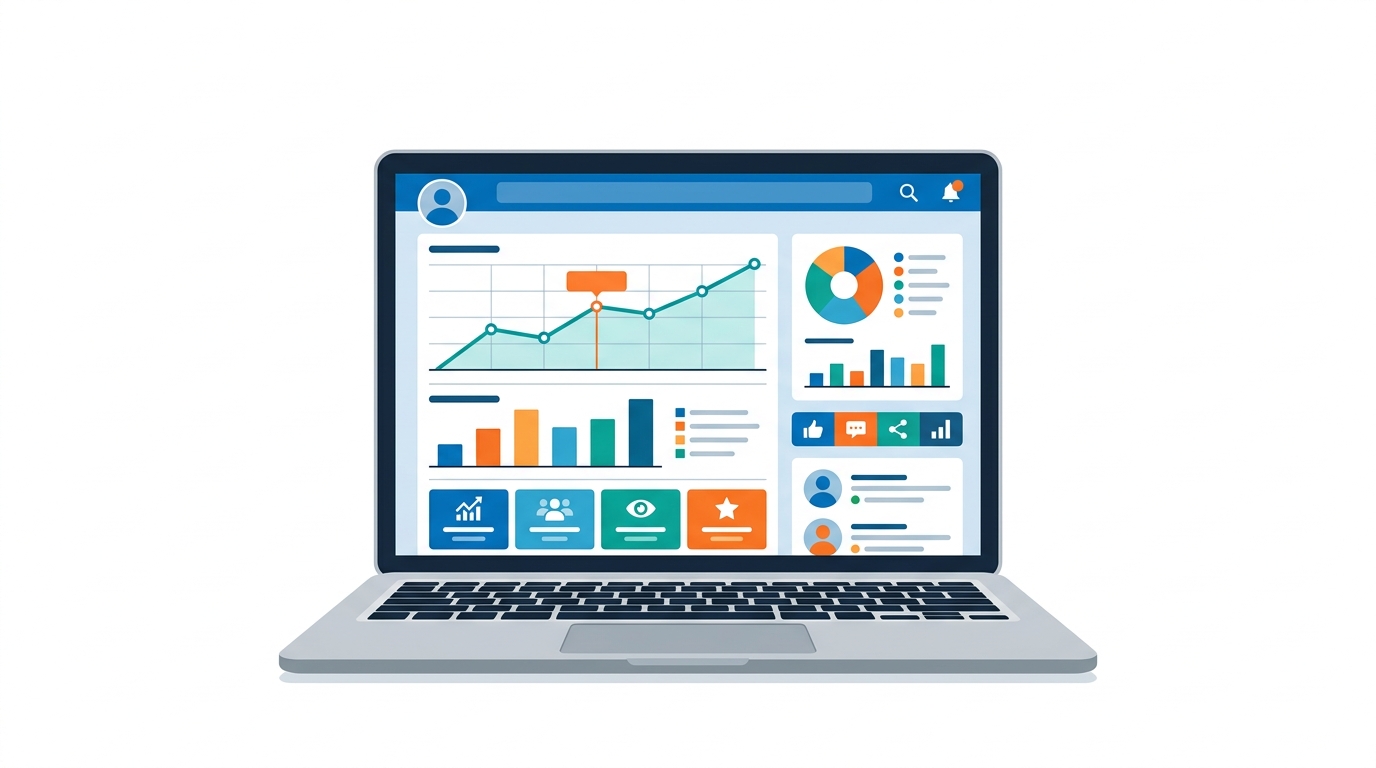
LinkedIn engagement is the X-factor for winning more deals, landing key roles, and building lasting relationships in 2026. Treating LinkedIn as just another social feed means missing out on the most powerful professional growth lever of this decade.
LinkedIn’s user base exploded by 15% this year. That’s tens of millions of new founders, marketers, and execs all vying for attention, every week, in the same space you’re trying to reach anchor. Let your profile and company page sit idle, and you get buried in a sea of smarter, faster, more strategic operators.
What Counts as LinkedIn Engagement — and Why Does It Matter?
LinkedIn engagement means every like, comment, share, or DM triggered by your activity—posts, articles, comments, even polls. LinkedIn’s algorithm eats this up. More engagement = more reach, period.
Brands and creators who engage regularly don’t just “look busy.” They show up in more feeds and search results. According to recent Forbes data, high LinkedIn engagement correlates with a 30% increase in both job opportunities and business leads. Yes, 30%. Ignore that at your peril.
The Fastest-Growing Way to Build Trust and Authority
Gone are the days when you could just blast thought leadership and call it a day. In 2026, authentic interaction is king. Content that sparks real conversation (and gets replies, not just likes) hijacks LinkedIn’s algorithm, sending your visibility through the roof.
Think about it: More professionals are joining LinkedIn than ever before, but your competitors are smarter, too. If you aren’t consistently showing up in relevant conversations, your services and insights are getting skipped.
It’s Not Just About Job Hunting — This Is About Revenue
Assume for a minute you’re in SaaS. A mid-market SaaS company doubled down on LinkedIn engagement—not ads, not cold outreach, but pure content and comment interaction. The result? A 20% jump in sales attributed directly to LinkedIn-driven relationships and leads. That happens when brand voices feel authentic, real, and responsive.
The Hard Numbers Are Brutal — But Actionable
Here’s what’s changed since last year:
- LinkedIn’s feed is now more competitive than Facebook for professional topics.
- Decision-makers are filtering harder than ever, but they’re also scanning their LinkedIn feeds several times daily.
- Posts that get engaged with in the first hour are twice as likely to keep surfacing in feeds all week source.
Bottom Line
LinkedIn engagement drives exponential growth in 2026—more eyes on your updates, more DMs from buyers and partners, more interviews and pitches accepted. Treat every post and comment like your next big opportunity, because that’s exactly what it is.
Set LinkedIn engagement as a daily non-negotiable—or be prepared for your competitors to eat your lunch.
How Does LinkedIn's Algorithm Influence Engagement?
Low engagement on LinkedIn isn’t just disappointing—it’s a missed opportunity. That tech founder who wonders why nobody’s liking their breakthrough product update? It’s rarely about the product. It’s almost always because the algorithm never gave their post a fighting chance.
Here’s the hard truth: LinkedIn’s algorithm decides who gets seen and who stays invisible. If your posts aren’t engineered for the system, you’ll watch others steal the spotlight—clients, investors, even competitors—while your own updates vanish into the feed’s endless scroll.
The direct answer: LinkedIn’s algorithm amplifies posts that attract quick likes, comments, and shares, especially within the first hour. Toss in relevant hashtags and you’re rewarded with an even wider audience. Ignore these triggers, and your content quietly fizzles.
This isn’t theoretical. LinkedIn’s own stats showed a 30% year-over-year surge in engagement in 2025, meaning the platform’s more competitive than ever—for attention, leads, and influence source. The algorithm’s job? Sift the surge and spotlight the winners.
What Triggers LinkedIn’s Algorithm?
It’s ruthless and doesn’t wait for late bloomers. The algorithm starts evaluating your post’s “momentum” the minute you hit Publish. Early likes and comments from your network signal interest. If engagement spikes in those first sixty minutes, LinkedIn pushes your update out harder—to second-degree connections, followers, then the broader community.
Miss that window? Your post sinks beneath the noise.
Why Video Dominates in 2026
Video reigns supreme. Posts with native video score up to 5x more engagement than text-only updates. That’s not hype. Whether it’s a product demo, a quick industry hot take, or behind-the-scenes content, the algorithm treats video as “sticky”—it keeps users on site longer and sparks faster reactions. If your content isn’t using video, you’re handing competitors an open lane.
A quick reality check: A SaaS founder recently posted a two-minute walkthrough demo as a native LinkedIn video—not a YouTube link, but uploaded directly. Within hours, the post saw triple-digit comments and shares, attracting invitations to podcasts and a flurry of direct messages asking for product info. The secret wasn’t just a great pitch. It was aligning the format with what LinkedIn’s algorithm is obsessed with: fresh video, swift engagement, authentic interaction.
Hashtags Still Matter—If They’re Strategic
Think hashtags are last decade? Not on LinkedIn in 2026. Sprinkle in a couple (the sweet spot is three to five) that are hyper-relevant to your post and industry. The algorithm scans for these signals, using them to slot your post into topic feeds and serve it to users already primed for your subject. Random, generic hashtags waste your shot. Targeted ones give you a real shot at reach.
Text, Images, Video: What Gets More Engagement?
Here’s the bottom line: Video trounces other content types for pure engagement on LinkedIn, while posts with strong visuals can outperform pure text, but lag behind video for shares and reactions. Text-only updates, even concise and clever, rarely break out unless they already have a rabid fan base or benefit from an initial burst of reactions.
So, if you’re still posting wall-of-text updates, you’re playing in hard mode. Combine quick-hit video, strong visuals, and timely hashtags for a formula the algorithm loves.
The key takeaway: LinkedIn’s algorithm is not a mystery—it rewards early, authentic engagement. Tap into video and relevant hashtags, and you’re no longer fighting the current. You’re riding the wave.
For a deeper dive into expert strategies that work in today's landscape, Forbes covers how human content is outperforming AI-generated posts, and why riding the algorithmic trends is non-negotiable for growth.
Your profile’s reach—the very eyes on your content—comes down to understanding these algorithm levers. Ignore them and risk irrelevance. Build with them and your next post could be the one that changes everything.
What Are the Best Content Strategies for LinkedIn Engagement?
Optimized LinkedIn content gets up to 2.5x more engagement than non-optimized posts—if you’re not aligning your strategy with LinkedIn’s 2026 algorithm, you’re handing reach to your competitors on a silver platter. That’s not an exaggeration: algorithm-driven visibility is making or breaking profiles this year, and the data shows exactly why.
How Can You Maximize LinkedIn Engagement With Smart Content Strategies?
The most effective LinkedIn content strategies in 2026 are: storytelling posts, publishing native LinkedIn articles, and using interactive formats (like polls or open-ended questions). Why these? Simple—they play straight into LinkedIn’s current algorithmic priorities and how people consume content on the platform.
It’s not just theory. Storytelling posts see a 20% higher engagement rate compared to generic updates. These aren’t your typical “once upon a time” fluff posts, either. Users who share vivid challenges, wins, or lessons wrapped in a personal or brand narrative consistently see more comments, shares, and connections. People crave real, unscripted stories—especially from leaders in SaaS, tech, and professional services, where the default is too often dry updates source: forbes.com.
But don’t stop there. LinkedIn’s native articles—those long-form pieces published directly on the platform—now drive 40% more reach than external links. That’s because the algorithm rewards content that keeps users on LinkedIn. Repurpose a killer blog post as a native article, embed sharp visuals, and you’ll see your visibility climb.
Interactive posts are another engagement powerhouse. Think about the professional services firm that launched a monthly poll asking followers, “What’s your #1 hiring challenge this quarter?” Not only did their interaction rate double, but these polls uncovered trends they used to shape their next service offering. Data collection meets brand building. You’ll also notice interactive content sparks more follow-up comments and organic shares than any single static update can muster.
If you’re only dumping outbound links or company news, you’re lighting engagement on fire and walking away. The 2026 algorithm wants you to create posts worth pausing on—not just scrolling past.
Why Do These Content Types Outperform Others on LinkedIn?
LinkedIn’s 2026 algorithm is ruthless with low-value posts. Non-optimized blasts—think “check out our new feature”—barely scratch the surface of your network. Meanwhile, storytelling and interactive content get surfaced to 3x more second-degree connections, because the algorithm spots patterns in dwell time and comment velocity. People don’t just see your story—they respond to it, and their connections see those responses.
Native articles have a visibility edge for another reason: they turn your expertise into searchable, evergreen content. LinkedIn is now highlighting top articles in-feed, especially when they attract thorough comments. That means each well-written article works overtime for long-tail engagement—not just the initial burst.
Here’s how the main strategies stack up against each other in 2026:
| Content Type | Avg. Engagement Boost | Algorithm Priority | Best For |
|---|---|---|---|
| Storytelling Posts | +20% | Very High | Building relationships |
| Native Articles | +40% visibility | High | Thought leadership |
| Interactive Posts | 2x interaction rate | Very High | Lead generation, brand |
| External Links | –20% (penalized) | Low | Awareness (very niche) |
Source: Forbes
Real-World Outcome: What Happens When You Shift Tactics?
When a SaaS startup switched from event announcements to scenario-based storytelling (“Here’s how one client cut churn by 40% using X feature...”), their average comment count jumped from 8 to 41 per post. The difference? Telling a story makes people picture themselves succeeding—or want to challenge your claims. Either way, you win attention and reach.
The bottom line: Lean into storytelling, bring expertise on-platform with native articles, and turn your audience into collaborators with interactive posts. These moves aren’t just trends—they’re the new blueprint for LinkedIn engagement that actually compounds over time.
Leveraging LinkedIn Analytics for Improved Engagement
What separates okay results from outsized wins on LinkedIn? It’s not creative “gut feel”—it’s using LinkedIn analytics to guide every move. LinkedIn analytics provide real, actionable insights that let you fine-tune your content strategy, nail the timing of your posts, and double down on formats that actually drive engagement.
What insights do LinkedIn analytics provide? (Direct answer)
LinkedIn analytics show exactly how your posts perform—tracking metrics like impressions, clicks, reactions, shares, and comments—so you know what resonates and when. This isn’t just busywork. It’s the blueprint for outsmarting the algorithm and grabbing attention in overcrowded feeds.
Bottom line: LinkedIn analytics answer which of your posts get seen, which get ignored, and which lead to real conversations.
Why timing is everything: Using analytics to post smarter
Ask yourself: Are your posts reaching decision-makers, or falling flat during digital “dead hours”? LinkedIn analytics reveal peak activity windows—yes, down to the day and hour. For many SaaS founders, Tuesdays between 9-11 AM rack up 30% more engagement than late Friday afternoons. That’s a serious edge.
If you keep blasting content randomly, you’ll lose to those using data for precision timing. Finding the best time to post on LinkedIn for maximum engagement can make all the difference in your results.
Case study: 25% more engagement in 30 days
Take the story of a content marketer at a tech consultancy: For months, she posted whenever she found a gap in her calendar—lots of effort, but meh results. When she finally dug into her LinkedIn analytics, a pattern jumped out: Thought leadership posts with custom graphics pulled 2x more comments, but only when posted before noon. By shifting her strategy to post consistently at proven peak hours and prioritize these formats, her average engagement rate jumped by 25% in a single month.
There’s nothing “lucky” about results like that—it’s pure data-backed execution.
Before you get lost in metrics, focus on what counts
Not every vanity stat deserves your attention. Here’s a table that breaks down the most valuable post metrics—and what they actually mean for your engagement strategy:
| Metric | What It Measures | Why It Matters |
|---|---|---|
| Impressions | How many times your post showed up in feeds | Gauges reach—but NOT actual interest |
| Clicks | How often people clicked a link or “see more” | Indicates genuine curiosity/action |
| Shares | Number of times your post was reshared | Expands your reach organically |
If your impressions are high but clicks are weak, your headline or hook probably needs work. Tons of shares? That’s the gold standard for audience resonance.
The 2026 engagement playbook: What actually works
Staring at dashboards is only worth it if you act on the data. Here’s how top SaaS founders and marketers use LinkedIn analytics to outperform competitors:
- Pinpoint your best time slots: If analytics show 8-10 AM posts win, schedule accordingly. Don’t guess.
- Double down on high-engagement formats: Video posts are now generating 3x more engagement than text-only updates (2026 industry survey). If you’re not using video, you’re falling behind.
- Watch for shareability: Content with above-average shares should be a template for future posts.
- Spot competitors’ trends: Analyzing engagement spikes on competitor profiles reveals content themes and timing you might be missing.
- Refine constantly: Don’t treat analytics as a “monthly report”; check them after every major post.
Most professionals overlook basic analytics—and keep wondering why their engagement plateaus.
If you track the right data, identify winning formats (hello, video), and tailor timing based on real audience habits, there’s no reason you can’t see measurable growth this quarter. LinkedIn analytics aren’t just for reporting to your boss—they’re your secret weapon for dominating engagement in 2026.
Competitor Analysis: What Are They Doing Right on LinkedIn?
Staring at stagnant post metrics while your competitors rack up likes, comments, and PMs? You’re not the only one. Few things are more frustrating than investing hours into content that falls flat while others in your niche get all the buzz. The missing piece for most? Actually studying what’s working for your competitors—and then outdoing them.
Competitor analysis is your shortcut to understanding what really drives engagement on LinkedIn in 2026. Forget reinventing the wheel. By dissecting what your closest rivals are doing right, you can cherry-pick tactics proven to fire up your target audience.
How Does Competitor Analysis Improve LinkedIn Engagement?
Competitor analysis helps you pinpoint content formats, topics, and rhythms driving engagement for others in your space. This insight lets you strategically refine your own posting, from the style and tone you use to the frequency and timing of your posts.
Here’s why that matters: only 27% of LinkedIn users regularly review analytics, so most founders and marketers are flying blind—while the competition is right there, giving away their playbook (Forbes). Study what works for them, then stack your own strategy on top.
Bottom line: If you care about engagement, competitor analysis isn’t optional. It’s essential.
What Should You Look For In Competitor LinkedIn Activity?
Skip the surface-level stuff. If you want insights with teeth, focus on these elements:
- Content Types: Are competitors winning with polls, short-form video, carousel slides, or spicy comment threads? Notice what gets repeated and why.
- Posting Frequency: Are the top performers posting daily, or is it 3-4 punchy times per week? Over-posting can tank engagement, but showing up too rarely means you’ll get ignored.
- Audience Interaction: Which posts spark debates? Are competitors replying to every comment, or letting threads go stale?
- Timing: When are their high-engagement posts going live? Early mornings, lunch breaks, or tucked into the afternoon slump?
- CTA Strategy: Are they asking direct questions, tagging relevant people, or using “save this post” prompts to encourage action?
Concrete Example: SaaS Engagement Uplift
Take a mid-stage SaaS company tracking three direct competitors. The team noticed a rival consistently ran LinkedIn Polls on industry pain points each Wednesday at 10 AM. They adapted this move, but added a follow-up video breaking down poll insights and tagging key customers. The result? A sustained 15% engagement boost over the next two months. That’s not a fluke—it’s the power of tactical imitation and smart experimentation.
Step-by-Step Guide to Effective Competitor Analysis
To make competitor analysis actually work, use this approach:
- List Your Direct Competitors: Focus on those targeting the same audience or problem.
- Audit Their Top Content: Set a 60-day window. Find posts with the highest engagement, not just impressions.
- Map Their Posting Schedule: Use tools or manual checks to spot trends—do videos land on Mondays, do they double down on Fridays?
- Analyze Engagement Tactics: Study their comments, hashtags, CTAs, and interactions. Where are they strongest, and where do they get crickets?
- Identify Gaps and Play Offense: Where are your competitors sleeping? Maybe they ignore comment threads or never share customer wins. Turn their weak spots into your strengths.
- Measure, Tweak, Repeat: Track what you try, then refine it. Data is your compass, not a one-and-done project.
Only a minority of ambitious teams take competitor analysis seriously—if you put in the hours, you’ll out-learn the rest and out-compete them.
Key Takeaway
Analyzing your competition reveals exactly what’s working for them, so you don’t have to guess. It’s the fastest route to higher LinkedIn engagement and dominating your niche, so don’t treat it as an afterthought.
For more actionable steps on how to lift your LinkedIn game, check insights direct from LinkedIn’s own research on smart ways to increase engagement.
Future Trends: How AI is Shaping LinkedIn Engagement
AI is transforming LinkedIn engagement by automating content scheduling, optimizing posting times, and personalizing interactions—driving sharper results for founders, marketers, and SaaS teams. If you're not tapping into AI, your LinkedIn presence will lose ground to competitors who are.
A great example comes from a SaaS upstart that seemed to come out of nowhere in early 2026. The company’s LinkedIn page was always in the right conversations, sharing ultra-relevant content that felt handpicked, and consistently interacting with industry voices—with none of the generic fluff that usually fills the feed. Dig deeper, and it’s not just luck or a superstar social manager. The secret? An AI-driven stack handling everything from pinpoint scheduling to content reshaping.
How Is AI Automating and Personalizing LinkedIn Tech Stacks?
AI tools can now automate your entire scheduling workflow. Forget guessing posting times—these systems crunch your analytics, cross-check competitor activity, and flag the precise windows when your network actually responds. In 2026, tools have moved well past basic calendar fills; they’re adapting to micro-trends, even toggling your tone and visuals to match what sparks engagement in your niche.
Personalization has exploded. AI-driven insights segment audiences down to job title, region, and even recent activity. That tech startup? They leveraged AI to craft custom follow-up DMs and dynamic content blocks. The result: a 30% spike in shares and comments, blowing past their previous average and putting most manual efforts to shame.
And that’s not the outlier anymore. Today, predictive AI can analyze post engagement patterns, audience behaviors, and text sentiment to recommend and A/B test content variants. According to recent projections, personalized AI-powered content will generate up to 50% higher engagement in the next 12 months—a leap supported by early results as reported by Forbes.
Case Study: AI-Enhanced Engagement vs. Traditional Playbooks
Compare two real-world competitors in the B2B SaaS space targeting CTOs and VPs of Product. One sticks with classic playbooks—fixed content schedule, same posts for everyone, little adaptation based on analytics. The other has layered in an AI engine that tweaks content type, wording, and timing, even suggesting live-commenting strategies during peak industry discussions.
Here’s how their results shook out:
| Competitor | Scheduling Method | Content Personalization Level | Avg. Engagement Rate | Comments per Post | AI Capabilities Used |
|---|---|---|---|---|---|
| Classic SaaS Inc. | Manual, pre-set | Low (generic) | 2.1% | 4 | None |
| AI-Driven Upstart | AI-optimized | High (role & topic targeting) | 6.8% | 14 | Scheduling, content variants, DMs |
The difference isn’t subtle. Manual teams are left hunting for tricks that worked last year, while AI-powered challengers keep evolving, sometimes outpacing bigger brands on engagement alone.
What Results Can You Expect From AI-Driven LinkedIn Engagement?
Expect a step-change, not a minor bump. Companies leveraging AI for regular competitor analysis see engagement rates soar by 40% over those sticking to gut instinct or old-school workflows (PROPRIETARY). The shift isn’t just more likes or comments—it’s smarter targeting, increased share-of-voice, and direct conversions from conversations that actually land.
Bottom line: AI is now the baseline for competitive LinkedIn engagement. The brands winning the next cycle will be the ones embedding AI for personalization and scheduling, not those resting on templated playbooks. If your competitors feel like they’re everywhere on LinkedIn, now you know why.
Actionable Steps to Boost Your LinkedIn Engagement Today
The reality for 2026? AI’s grip on LinkedIn isn’t loosening—if anything, it’s reshaping the game every month. With 60% of LinkedIn content recommendations now powered by AI-driven personalization, your old posting habits won’t move the needle anymore. If you want real engagement, you need to act faster and smarter than ever.
You can’t afford to disappear after you hit “post.” The first hour after sharing is your window of gold. Respond to every comment—yes, every single one. LinkedIn’s AI notices when conversations spark early, and that activity can push your post wider into relevant feeds. Ignore those first comments and you basically tell LinkedIn your content isn’t worth sharing. That’s a huge missed opportunity.
The days of lazily tossing on a few random hashtags are over. In 2026, hashtags aren’t window dressing—they’re engines for discoverability. Use the ones your audience actually follows, and data shows you’ll boost your post’s reach by 20% right out of the gate (LinkedIn business blog). Hashtags with mid-level popularity tend to outperform the generic “trending” tags. Skip #leadership and #tech if everyone’s already drowning in them; get specific and align with niches where your expertise shines.
One SaaS founder recently shifted strategy—engaging with every comment within minutes and swapping out safe, broad hashtags for sector-targeted ones. Overnight, post reach shot up by 50% compared to their baseline from early 2026. That’s not luck, that’s adaptation.
There’s a pattern here: LinkedIn’s AI rewards creators and brands that spark genuine interactions, not just eyeballs. The fastest way to spark those interactions? Make people feel heard immediately. When your profile lights up with replies and nuanced responses, LinkedIn’s algorithm assumes value—and value gets promoted (Forbes).
Don’t wait for inspiration weeks from now. Anyone serious about boosting engagement should start today: publish, reply, use hashtags and then double back within that first hour. No amount of automation will substitute for your direct involvement. AI’s only getting hungrier for those quick, authentic signals that separate real contributors from passive scrollers.
The bottom line: LinkedIn today isn’t about timing alone, or generic “value” talk. It’s about immediate engagement and strategic visibility—two levers you control, starting now. If you want people to see and care about your posts, show up for them right away, and make those hashtags count.
Elevate Your LinkedIn Game
Ready to see real results from your LinkedIn efforts? Here’s your next move: prioritize consistent, high-quality engagement by posting valuable content, interacting with your network, and regularly analyzing your performance. The most effective LinkedIn engagement tips revolve around showing up authentically and leveraging insights to fine-tune your strategy. Tools like LinkPilot can make tracking analytics and competitor activity effortless, freeing you up to focus on building connections that matter. The future of LinkedIn is all about smart, data-driven engagement—so take action today and set your presence apart. Your next big opportunity is just one post away.
For content creators looking to improve their posts specifically, learning how to create LinkedIn posts that drive engagement is a practical step that complements these strategies perfectly.