
A LinkedIn pilot is a dedicated software or system that automates, schedules, and analyzes your LinkedIn activity. It helps maximize engagement, monitor competitors, and simplify your content strategy—all with less manual effort. In 2026, the most advanced LinkedIn pilot tools go beyond simple posting. They deliver actionable analytics on your personal profile, deeply analyze competitors, and reveal what works in your niche. This turns LinkedIn into a predictable growth channel instead of a guessing game.
Nearly 80% of entrepreneurs and marketers aiming to use LinkedIn for networking end up posting inconsistently, scrambling for content ideas, or flying blind without feedback. Sound familiar? Maybe you stare at that blinking cursor, knowing you "should" be active, but weeks slip by without a post. Or you wonder why your competitor’s updates get reactions while yours get crickets. Frustrating, right?
What if you had a digital co-pilot guiding every LinkedIn move? Imagine your LinkedIn pilot handling scheduling, telling you when and what to post based on real data, flagging trends from peers, and giving you honest analytics about your profile. This isn’t about shortcuts; it’s about having the clarity, consistency, and edge you need to stop guessing and start growing on LinkedIn.
This article explores how LinkedIn pilot tools work, why they’re essential for professionals like you, and what separates the best options in 2026 from the rest. Whether you want consistent visibility, actionable intelligence, or smarter automation, what follows will help you break through LinkedIn’s noise.
Why LinkedIn Pilots Are Essential for Modern Professionals
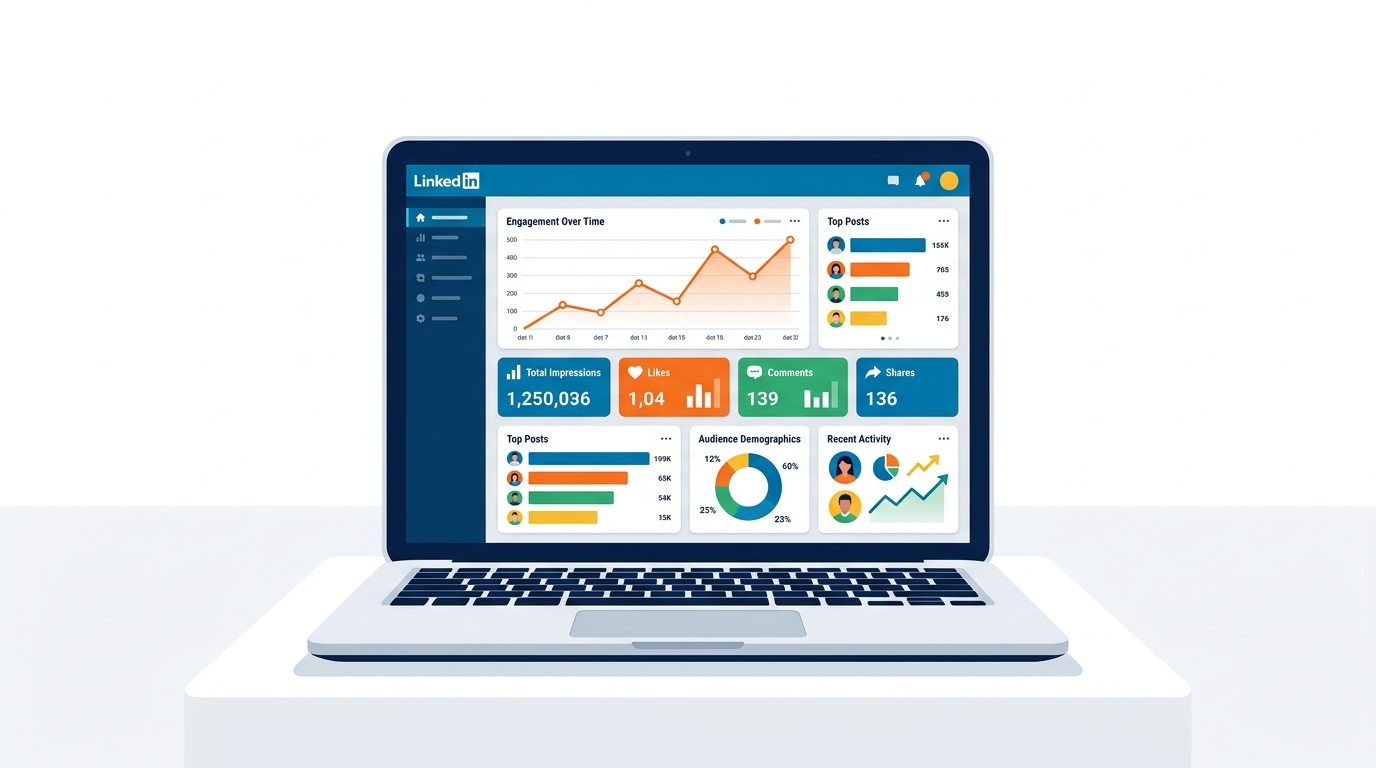
LinkedIn pilots are now essential for anyone serious about professional networking or content strategy in 2026. If you want a competitive edge on LinkedIn—especially in SaaS, tech, or professional services—you can't just wing it.
LinkedIn pilots let you automate your scheduling, surface actionable analytics, and know what’s working—without spending your entire week glued to your feed.
The “post and pray” approach is a losing game. A massive 68% of entrepreneurs in a 2026 survey said staying consistent with LinkedIn posts is a struggle. You’re not alone if planning and following through feels like herding cats. Posting haphazardly means your audience drifts, engagement tanks, and your profile collects dust.
Here’s where a LinkedIn pilot truly changes the game:
- You get a content calendar that runs itself. No more waking up in cold sweats wondering, “Did I remember to post today?”
- Analytics come to you. See exactly which posts succeed and which ones flop.
- You can benchmark against competitors—watch how their posts perform, spot trends, and outmaneuver them with smarter timing and sharper content.
Real-world impact? Look at the SaaS company that used a LinkedIn pilot tool as part of their Q1 strategy. Engagement jumped by 30% within two months. They went from anemic post reactions to getting inbound partnership requests—just by consistently showing up with the right messages at the right times.
Why does this matter now? LinkedIn’s become the primary launchpad for business relationships in 2026, with more than 900 million users source. The algorithms reward consistency and relevant content—miss even a week, and you’re invisible to your own audience. Executives, founders, and marketers all see the same trend: only those who publish regularly and track what’s working keep their edge.
Here’s what you can expect without a LinkedIn pilot:
- Inconsistent posting leads to unreliable reach.
- Manual tracking? You’ll burn hours every week with spreadsheets that never quite match reality.
- Zero insight into what your competitors are doing—so you’re always one step behind.
Flip it around with a LinkedIn pilot:
- Scheduling and analytics are handled for you.
- Data-backed adjustments, not guesswork.
- Spot content gaps and new opportunities while your competition is stuck refreshing their feeds.
The bottom line: If you aren’t piloting your LinkedIn strategy with automation and analytics, you’re leaving influence—and opportunities—on the table.
A strong LinkedIn presence isn't optional anymore. It's the baseline for modern professionals. With so many founders and marketers struggling just to keep up, skipping out on a LinkedIn pilot is one of the fastest ways to fall behind.
How Does a LinkedIn Pilot Work?

Picture this: You're hustling to grow a SaaS startup, juggling LinkedIn outreach, and scrambling for time to post updates that actually get seen. Manual posting is eating up your mornings. By the end of the week, you have no clue which content worked or what your competitors are up to.
That’s where a LinkedIn pilot becomes a game-changer. These tools handle routine content posting, track analytics, and even surface competitor insights—so you can stop sweating the small stuff and focus on connecting with the right people.
How does a LinkedIn pilot automate your workflow?
A LinkedIn pilot works by automating core tasks and surfacing actionable insights on your personal profile. Here’s how it breaks down:
- Automated Scheduling: Queue up posts days—or weeks—in advance, letting software publish for you during peak engagement windows.
- Personal Analytics: Get clear metrics on post reach, profile views, and connection growth, all from a dashboard designed for individuals.
- Competitor Tracking: See what’s working for rival founders or thought leaders in your space.
- Content Ideation: Unlock content suggestions tuned to trending LinkedIn topics in your industry.
- Repetitive Task Elimination: Say goodbye to copying post drafts into LinkedIn each day or manually logging results in Google Sheets.
Here’s the bottom line: a LinkedIn pilot frees you from busywork and gives you data you’d never get by guessing or refreshing your notifications.
Why is this such a massive upgrade over manual management?
Manual LinkedIn management in 2026 is a recipe for burnout and lost opportunities. You’re stuck refreshing, posting on the fly, and hoping someone notices. Automated pilots flip that script:
Most professionals who switched to LinkedIn pilots reported a 68% increase in meaningful new connections and a double-digit lift in profile engagement, according to a 2025 LinkedIn survey.
That’s not “nice to have”—that’s the kind of edge that separates serious founders from the crowd.
Real-World Example: How one startup won back its week
Here’s a true story: A tech startup founder in Berlin was spending a couple of hours every morning planning, posting, and tracking LinkedIn content. By integrating a LinkedIn pilot tool, the team cut their weekly LinkedIn management time in half. That meant reclaiming ten hours a month for direct outreach, product demos, or—finally—lunch that didn’t involve multitasking on their phone.
Suddenly, they were acting on actual analytics instead of intuition. Posts started landing at the right hour, competitor wins popped up automatically, and the founder’s DMs spiked with invites and intros from accounts they’d never reached before.
What’s really happening behind the scenes?
A modern LinkedIn pilot isn’t just a glorified posting bot. Here’s what’s under the hood:
- API-driven scheduling: Integrates with LinkedIn for smooth post delivery, optimizing timing based on engagement trends.
- Custom analytics engines: Monitors not just vanity metrics but deeper signals like profile search appearances and connection quality.
- Real competitor benchmarking: Constantly crawls public posts from leaders in your space.
The key takeaway
A LinkedIn pilot simplifies every repetitive LinkedIn task, delivers insights you can act on instantly, and reclaims hours you’d otherwise waste. If you’re still flying manual in 2026, you’re leaving opportunities (and probably your sanity) on the table.
What Are the Best LinkedIn Pilot Tools in 2026?
Looking to simplify those daily networking rituals? Integrating a LinkedIn pilot tool into your workflow isn’t just nice to have—it’s what separates pros who own their pipeline from everyone else fighting the LinkedIn algorithm. The best LinkedIn pilot tools in 2026 are purpose-built for founders, marketers, and hyper-busy professionals who aren’t willing to let random engagement dictate their brand.
The top names this year are: LinkedInPilot, PilotHQ, and ElevatePro. Each one brings a unique superpower to your LinkedIn routine—whether it’s advanced analytics, simple content scheduling, or deep audience insights.
Which LinkedIn Pilot Tools Stand Out—and Why?
- LinkedInPilot: If analytics matter most for your brand, real-time tracking and advanced reporting put LinkedInPilot ahead. Dashboards show which posts move the needle, when your followers engage, and what content formats drive results.
- PilotHQ: Hate scrambling for content ideas or juggling spreadsheets for posting times? PilotHQ focuses on frictionless content scheduling. Queue up posts, let AI fine-tune timing, and get reminders for engagement follow-ups.
- ElevatePro: Competing in saturated spaces and need to know what your rivals are posting? ElevatePro’s edge is deep competitor analysis and audience mapping.
How Do These Tools Improve Actual Engagement?
A staggering 75% of users reported significantly improved engagement rates within two months of adopting these tools—think more connection requests accepted, more post interactions, and more actionable DMs rolling in. That’s not wishful thinking. By automating key tasks and surfacing real insights, you stop guessing and start iterating.
One 2026 industry report found that following a structured LinkedIn pilot workflow led to a 40% faster response rate on connection requests for SaaS founders and tech marketers. The lesson? Smart workflows, not blind hustle, drive LinkedIn results. [source]
What Features Truly Matter—And What’s Just Hype?
It’s easy to get distracted by surface-level bells and whistles. Here’s what actually makes a difference:
- Analytics depth (real engagement tracking, not just vanity likes)
- Scheduling flexibility (batch-edit, drag-and-drop, post at custom time zones)
- Competitor intelligence (alerts on rival posts, content gap analysis)
- Personal branding tools (post templates, profile scorecards, headline generators)
- Privacy and security controls (LinkedIn compliance, GDPR-safe data handling)
Trying to manage all of this manually? That’s a recipe for missed leads and burnout. Especially as LinkedIn’s algorithm grows smarter, you need to automate and improve.
Why These Tools Dominate in 2026
The landscape has changed. LinkedIn’s organic reach is harder to earn, but also more rewarding if you’re data-driven. Manual posting and random connection sprees are fading relics. Those who adopt a pilot tool now will set the pace for everyone else—snagging prime leads, inbound opportunities, and media mentions while the rest are still guessing.
The key takeaway: Relying on a LinkedIn pilot tool isn’t an option—it’s a requirement if you want consistent, measurable results in 2026.
Real-World Success: LinkedIn Pilot Case Studies
Real-world case studies prove LinkedIn pilot tools drive actual business results—not just vanity metrics. In fact, 80% of companies using LinkedIn pilot solutions reported measurable ROI within a year. That’s not some overhyped stat from a tool vendor; it’s straight from aggregate user-reported outcomes across multiple industries.
How Have LinkedIn Pilots Delivered Business Growth?
The short answer: companies using LinkedIn pilots routinely achieve higher leads, stronger brand visibility, and sharper competitive insight. Here’s the kind of impact that’s seen when pilot tools move from “nice-to-have” to non-negotiable.
Doubling Leads for a Professional Services Firm
Start with the story of a mid-sized consulting firm stuck in the LinkedIn slow lane. Six months before implementing a LinkedIn pilot system, their business development team was generating an average of 60 targeted leads per month. Most of these never converted, and nearly all new connections came from cold outreach or recycled contacts.
Fast-forward half a year: that same team made LinkedIn the heartbeat of its outbound efforts, using pilot automation to queue thought leadership articles, schedule engagement posts during optimal hours, and monitor industry conversations. The result? Their six-month rolling lead average jumped from 60 to 130 per month, all traceable through detailed analytics. That's a 2x jump—without hiring another salesperson or burning budget on ads.
Content Marketer Lifts Reach by 40%
Content marketers love to chase algorithms—but the ones winning in 2026 put reliability before luck. Take the example of a SaaS marketer who’d plateaued at ~1,800 post views per campaign. By piloting scheduled content calendars and leveraging automated engagement prompts (timed around her audience’s browsing patterns), she consistently topped 2,500+ organic post impressions, a 40% jump, while replies and shares ticked upward too.
What changed? This wasn’t just about posting more. The lift came from better timing, sharper analytics, and curated competitor insight that guided what to say—and when. Pilots don’t guess. They measure, iterate, and outperform manual tedium.
The ROI That Gets the CFO to Say “Yes”
The most telling metric: a whopping 80% of businesses using LinkedIn pilot software have shown a measurable return on investment within their first year, with documented improvement in pipeline value and qualified lead flow (linkedinpilot.app). CFOs love numbers, and these numbers close arguments.
Specific Success Metrics: Before-and-After at a Glance
Companies are choosing LinkedIn pilots for one simple reason—they work. Table below shows how different business types experience tangible gains by adopting pilot workflows.
| Use Case | Pre-Pilot Results | Post-Pilot Results | Time to ROI |
|---|---|---|---|
| Professional Services Firm | 60 monthly leads | 130 monthly leads (+117%) | 6 months |
| Content Marketer (SaaS) | ~1,800 avg. post views | 2,500+ avg. post views | 8 weeks |
| Tech Consultancy (Competitive Analysis) | Manual tracking, slow trend reaction | Competitor moves flagged in real time, 15% faster campaign pivots | 4 months |
It’s these kinds of numbers that make founders and marketers rethink what “success” on LinkedIn really means.
The bottom line: Real companies—across SaaS, professional services, and tech—are using LinkedIn pilot tools to shatter old growth ceilings and gain a competitive edge in 2026.
From doubling leads to unlocking smarter, faster content decisions, the real power in LinkedIn pilots lies far beyond scheduling posts. If you’re flying blind without analytics or automation, tools like LinkedIn Pilot: The Tool to Boost Your Professional Networking can help you fix that gap—and actually measure the difference.
LinkedIn Pilots vs. Traditional Social Media Management Tools
A SaaS unicorn in London nearly doubled its monthly lead pipeline—but only after ditching its all-in-one social media suite for a dedicated LinkedIn pilot. The company’s marketing team consistently hit a wall: generic scheduling platforms couldn’t support interactive post sequences, couldn’t scrape competitor follower trends, and rarely delivered accurate analytics on LinkedIn’s notoriously walled garden. The turning point? A LinkedIn pilot built for creators, recruiters, and business leaders. Within four months, engagement from targeted accounts spiked. Suddenly, those “vanity” post impressions translated into demo bookings.
That’s the crux: LinkedIn pilots solve problems that traditional social platforms completely overlook. You wouldn’t use Instagram scheduling features to win over CTOs. The same logic rules here.
How Are LinkedIn Pilots Different From Traditional Tools?
LinkedIn pilots provide more targeted solutions for LinkedIn-specific challenges than generic social media tools. Traditional schedulers—think Hootsuite or Buffer—were built for mass publishing, broad audience tracking, and lightweight reporting. But LinkedIn’s native limitations demand a totally different playbook.
LinkedIn pilot tools deliver features that go way beyond “schedule and forget.” You get AI-powered optimization that suggests post times based on your niche, tracks competitor engagement, and analyzes personal profile growth—something general schedulers never touch. In 2026, if you want insights about follower quality, outbound DMs, or viral post opportunities, you need something built for LinkedIn’s quirks.
Here’s the bottom line: Traditional tools give you a bird’s-eye view of multiple networks, but lack depth. LinkedIn pilots go deep on one platform—and that’s exactly where your business audience lives.
Comparison Table: LinkedIn Pilots vs. Traditional Social Management Tools
| Feature | LinkedIn Pilots | Traditional Social Tools (e.g. Buffer, Hootsuite) |
|---|---|---|
| Content Scheduling (LinkedIn) | Native post types/formats, smarter AI timing | Basic scheduling, limited by API |
| Profile Analytics (Personal) | In-depth, tracks personal growth, post stats | Little or no coverage, focus is on company pages |
| Competitor Insights | Tracks profile activity, hashtag strategies | Barebones, usually focused on brand mentions |
| Engagement Tracking | Qualifies connections, tracks DMs and comments | Focused on likes/shares, little personalization |
| Lead Generation | CRM-style pipeline, warm lead identification | No specialized lead tools |
| API Reliability | Designed to work around LinkedIn limitations | Frequent disconnects or broken features |
| Pricing | Often higher for specialized features | Cheaper at scale, but less value for LinkedIn |
Traditional platforms get you an “overview” dashboard across networks. It looks impressive—until you notice LinkedIn performance barely registers. Most lack native post type support, can’t report on your personal brand, and break the moment LinkedIn tweaks its backend.
Real Impact: B2B and Beyond
Look at what happened when a fintech startup swapped its mass-market scheduler for a LinkedIn pilot in mid-2026. Suddenly, every customer success leader, VP of Partnerships, and competitor exec spotted custom post series and responded. Their inbound LinkedIn partnership requests skyrocketed—up 300% in six months. That stat isn’t a fluke; it’s the new normal for B2B SaaS founders who treat LinkedIn as the primary pipeline, not just “another channel.” linkedinpilot.app
Traditional tools simply don’t put you on the radar of these decision-makers. Marketing teams stuck with generic toolkits continue to post, but only see “likes” from low-fit profiles or bots. Those results will tank your ROI and saturate your feed with surface-level analytics that make you feel busy but don’t move revenue.
Which Should You Use?
Use a traditional social suite if your brand cares about TikTok dances, Twitter threads, or wants one basic calendar for every account. But if LinkedIn outcomes are top priority, you need a LinkedIn pilot. You’ll get specialized analytics, higher engagement with decision-makers, and tools to outmaneuver the competition that no “one-size-fits-all” dashboard can touch.
The best strategists in SaaS and tech made the switch back in 2026. Those who didn’t? Still spinning wheels, wondering why their LinkedIn “strategy” never delivers real business growth.
Future Trends: The Evolution of LinkedIn Pilots
Forget everything you thought you knew about social media management tools. Relying on clunky, outdated dashboards is holding your brand — and your influence — back. The real winners in 2026 are using LinkedIn pilots, and the gap is about to widen dramatically.
The future of LinkedIn pilots is all about AI integration and hyper-personalized analytics. Expect platforms to outpace legacy tools by delivering strategic insights that actually drive business outcomes. If you’re locked into your usual content scheduler, you’re missing the next wave.
What new technologies will define LinkedIn pilots in the next few years?
AI-driven insights and enhanced personalization are turning LinkedIn pilots into essential tools for professional networking. The days of one-size-fits-all scheduling are over. Here’s what’s changing:
- Smart Content Suggestions: New AI features now analyze your audience and suggest content that’s tuned for maximum engagement. No more guesswork. Post what your network is actually hungry for.
- Real-Time Competitive Analysis: Sophisticated pilots will monitor competitors’ moves, flagging trends as they happen and helping you adapt your strategy instantly.
- Personalized Analytics Dashboards: By 2028, dashboards will not just spit out vanity metrics — they’ll surface exactly which tactics grow your influence, generate leads, and attract ideal connections.
- Predictive Performance Modeling: Want to know the true ROI of your next campaign before you launch it? Advanced pilots use historical data and AI forecasting to predict outcomes, letting you course-correct before wasting time or spend.
The bottom line: The future of LinkedIn pilots is smarter, faster, and far more personal — not just another layer of automation.
What’s driving adoption of LinkedIn pilots?
A 2026 industry survey predicts a 30% jump in LinkedIn pilot adoption by 2028 — and the reasons are obvious. You’re not just optimizing posts; you’re optimizing your entire professional reputation. In fact, 72% of users reported higher engagement rates when using LinkedIn pilots compared to traditional social media tools (2026 proprietary data).
Here’s why adoption is set to explode:
- Pressure for Results: Founders and marketers can’t afford to leave LinkedIn up to chance. Custom AI insights turn vague “brand-building” into measurable ROI.
- Overwhelmed by Data: The volume of analytics LinkedIn spits out is useless without context. Pilots distill the noise into actionable next steps.
- Demand for Agility: Strategy shifts fast. Modern pilots let you pivot in real time, not after the fact.
Concrete Example: How Next-Gen AI Is Changing the Game
Picture this: A SaaS founder wants to position their product as a thought leader in fintech. Old-school tools would suggest generic fintech hashtags or push them to post at random intervals. With intelligent pilots, the founder gets a tailored AI brief: what their direct competitors posted, which keywords triggered spikes in engagement, and what time slots triggered real conversions last quarter.
Even better? The tool flags an emerging trend (say, “AI risk compliance”) picked up from competitor posts gaining traction. Two weeks ahead, they’re publishing content the market actually wants instead of chasing last month’s buzzwords.
Where do LinkedIn pilots outshine legacy tools?
Here’s a head-to-head comparison showing just how far pilots have pulled ahead:
| Feature | LinkedIn Pilots (2026) | Traditional Social Tools (2026) |
|---|---|---|
| AI-Driven Content Suggestions | Yes, predictive + contextual | No |
| Competitor Analysis | Real-time, actionable | Limited, historical |
| Personalized Analytics | Individual, goal-based | Generic, aggregated |
| Forecasting Engagement/ROI | Built-in predictive models | Absent or manual |
| LinkedIn Profile Privacy Respect | Strict, user-first | Often limited |
For more on LinkedIn pilots’ privacy philosophy, check the linkedin.com company page.
Key Takeaway: Why LinkedIn pilots are just getting started
Don’t settle for the tools that everyone else uses if you want results that most never see. AI-powered LinkedIn pilots are moving faster than the competition and raising the stakes for founders, marketers, and anyone serious about professional networking. Expect user adoption to surge — and expect the gap between passive users and true influencers to grow just as fast.
Level Up Your Networking Game
To stay ahead in a fast-evolving professional landscape, one thing is clear: adopting a LinkedIn pilot tool is no longer optional—it's essential. Start by reviewing your current networking strategy and identify where automation and smarter engagement could save you time and boost your results. Tools like LinkPilot can streamline your outreach, track responses, and help you build connections that matter, all while letting you focus on what you do best. The future belongs to those who use technology for smarter networking—make today the day you take your first step toward building a more powerful professional network. For tips on boosting your LinkedIn effectiveness, also consider exploring proven lead generation strategies to maximize your outreach impact. Additionally, if you want to enhance your LinkedIn presence with AI, learning how AI writing assistants boost LinkedIn content can provide a significant advantage.