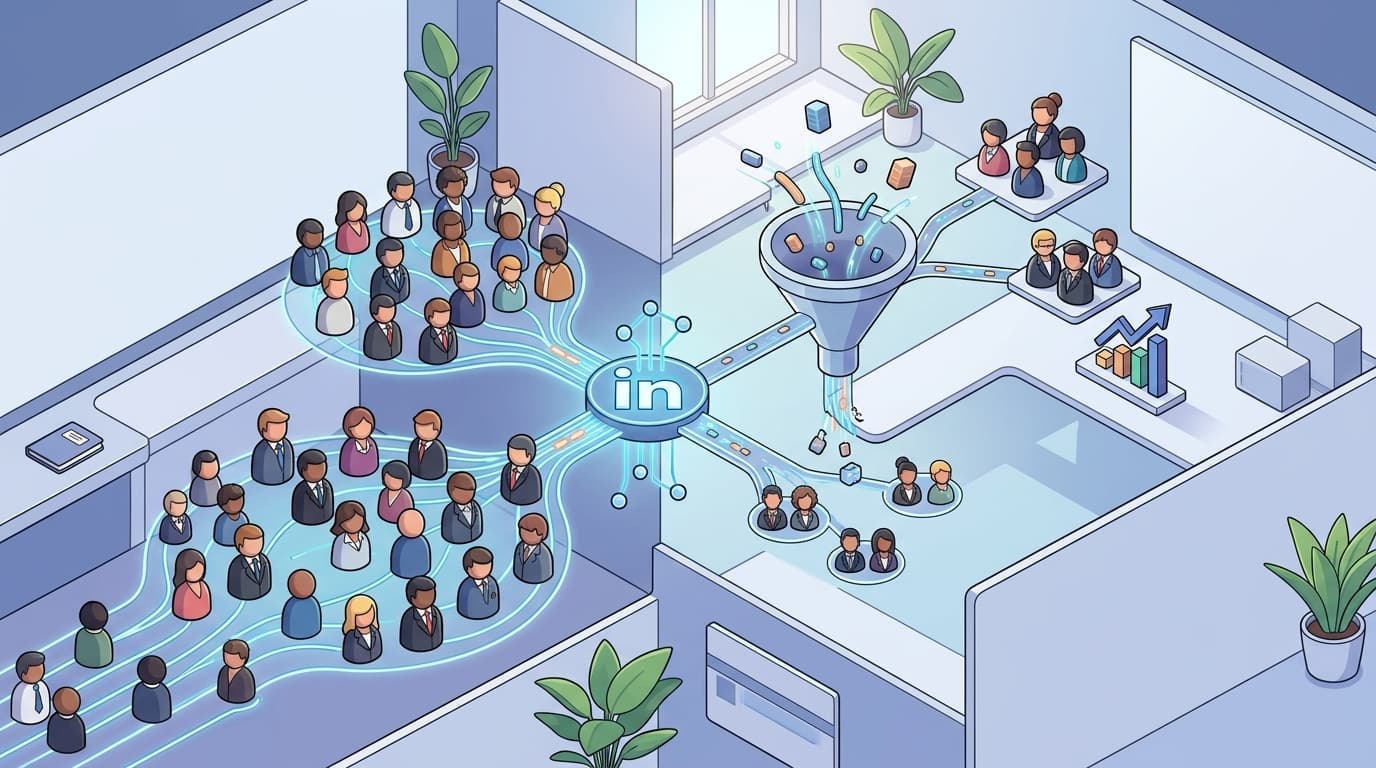
Knowing how to generate leads on LinkedIn means consistently turning your profile, content, and network into real business opportunities. In 2026, mastering LinkedIn for lead generation comes down to optimizing your personal brand, using advanced content tactics, and tapping into the latest platform features—well beyond simply posting and hoping someone bites.
Almost 90% of founders and marketers give up on LinkedIn lead generation after a few months because the results feel painfully slow or impossible to track. If you’re tired of your content disappearing into the feed void, or if you’re wondering why competitors’ posts seem to rack up likes, comments, and DMs while yours go ignored, you’re far from alone. The problem isn’t effort—it’s having no clarity on what actually moves the needle on LinkedIn in 2026. You plan out content, agonize over analytics that barely exist for personal profiles, and try to guess what your rivals are doing differently. The frustration is real: every unfocused post or day without new conversations can feel like another missed opportunity for growth.
The good news is, LinkedIn has quietly evolved into a powerhouse for B2B leads—if you know what levers to pull. Whether you need a more magnetic profile, crave data-backed posting strategies, or want to automate outreach without sounding like a bot, this guide will help you cut through the noise. Expect down-to-earth insights on reshaping your profile, actionable content frameworks, and smart ways to stay one step ahead of your competition—even if your time, team, or budget isn’t limitless.
Ready to stop feeling invisible and start turning LinkedIn into your most reliable lead engine? Let’s jump in and reveal why this platform is a goldmine for those who play it right.
Why LinkedIn is a Goldmine for Lead Generation in 2026

LinkedIn remains the undisputed powerhouse for B2B lead generation in 2026 thanks to one fact: nobody else comes close when you want the right people, at the right time, in the right mindset. With over 950 million active users—and a staggering 40% checking in daily—you’re not just fishing in a bigger pond. You’re casting your line into a curated executive retreat, not a public beach party.
Why LinkedIn Outshines Other Social Platforms for Leads
If you’re looking for leads that don’t waste your time, LinkedIn simply delivers. Unlike Twitter (X), Facebook, or Instagram, where user intent is all over the place, LinkedIn is single-minded: professionals come to do business—not scroll past cat videos or meme wars.
Here’s the bottom line: LinkedIn users expect to network, learn, and buy. This skews the entire lead pool towards higher intent and drastically reduces the noise you get elsewhere.
Don’t get fooled by follower counts on consumer-first networks. A few hundred engaged LinkedIn followers are worth more than thousands of disengaged ones on mainstream channels. Executives, managers, and decision-makers are already here, checking messages and scanning new connections every day.
Advanced Targeting: The Secret Weapon
Blanket blasting your message across generic networks is a losing game. LinkedIn’s advanced targeting features let you zero in on precisely who matters most for your business.
You can filter by:
- Role and seniority: Go straight for managers, directors, VPs, and C-suite—skip the interns and bots.
- Company size and industry: There’s no sense pitching SMB software to Fortune 500 execs unless that’s your market.
- Geographic region: Whether you’re expanding in APAC or hyper-local in Berlin, LinkedIn figures out where your prospects are active.
- Interests and group memberships: Tap into niche leaders already discussing your pain point.
This degree of targeting is leagues ahead of spray-and-pray strategies on other platforms. You get control and accountability—track who's clicking, engaging, and converting.
LinkedIn’s targeting isn’t just about job titles. It's about understanding business context, urgency, and decision-making power. That’s why campaigns on LinkedIn deliver conversion rates nearly 3x higher than Facebook for B2B source.
Better Leads, Faster Pipeline
With targeting dialed in, you’ll notice one reality quickly: LinkedIn leads move down the pipeline faster. Why? The prospect already has one foot in the conversation. They’re thinking about business—sometimes actively researching vendors—when your message appears.
Contrast that with Facebook or Instagram ads. Best case? You catch someone during an endless scroll, miles away from professional focus. On LinkedIn, they’re looking at their peer’s promotions, sharing industry reports, or hunting for the next solution.
And if you want even more ammunition: LinkedIn’s lead gen forms auto-fill with user data. It’s practically frictionless for prospects—and gives your team validated company emails, real titles, and accurate locations instantly.
Real Example: 30% More Leads for a SaaS Player
A SaaS company selling workflow automation tools wanted to break the logjam of cold, non-responsive outreach. By switching their primary lead-gen to LinkedIn and using targeting for IT managers at companies with 100-500 employees in Europe, they increased qualified inbound leads by 30% see details.
The difference? They weren’t shouting into the void. Their content and outreach landed directly in the laps of people with actual buying power—and actual pain.
The Bottom Line
If B2B lead generation is on your radar for 2026, ignoring LinkedIn isn’t just a missed opportunity. It’s letting your smarter competitors build relationships with your future clients. The combination of unmatched audience quality, laser targeting, and friction-free conversion puts LinkedIn in a league of its own.
For building a real pipeline, not just collecting likes, this is where you focus. And the results speak for themselves.
How to Optimize Your LinkedIn Profile for Lead Generation

Picture this: a founder pours time and money into outbound emails, SEO hacks, and tradeshows—yet inbound leads barely trickle in. Revenue feels stuck. Then, the business dives headfirst into LinkedIn. Suddenly, the pipeline unlocks with profile visits, connection requests, and qualified DMs. Welcome to B2B lead gen in 2026, where your profile is your digital storefront, not just a résumé.
More than 80% of B2B marketers now rank LinkedIn as their #1 channel for lead generation—blowing past email and traditional prospecting source. This shift isn’t an accident. It’s the result of a platform built for trust and visibility—if you treat your profile as a landing page, not an afterthought.
The fastest way to repel leads? A LinkedIn profile that looks like it hasn’t been updated since 2018. The good news: optimization can turn your profile into a magnet for decision-makers actively searching for solutions. It starts with your photo. Profiles with a professional headshot receive 21 times more profile views—there’s no shortcut here, so invest in a high-resolution, friendly shot that signals credibility.
But here’s where many founders drop the ball: the headline. Forget regurgitating your job title. The headline needs to spell out your value prop in plain English, ideally packed with industry keywords your prospects actually search for. For example: "Helping SaaS teams triple demo bookings with AI-powered outreach" will always beat "CEO at WidgetWorks."
Next comes your summary. This isn’t just a bio—it’s your elevator pitch. Hook visitors by addressing client pain points and the outcomes you deliver. Pepper in relevant keywords, but never keyword-stuff. Imagine your ideal client is reading: what problems are they desperate to solve? Reflect that back in your narrative.
Don’t ignore the 'Featured' section—this is prime real estate that most profiles waste. The savviest founders and marketers use it to showcase real, tangible proof: a video testimonial, a link to a killer case study, or even a relevant industry award. It’s not bragging; it’s authority-building. One SaaS CMO increased high-intent DMs by 40% after pinning a LinkedIn post summarizing a client success story, with a call to action landing right in their inbox.
For even greater credibility, sprinkle your Experience and Recommendations sections with results-driven language. Quantify wins and encourage clients or colleagues to leave short, punchy recommendations that highlight transformation, not just “great to work with.”
Optimizing your LinkedIn profile for lead generation means treating every section like an ad for your unique value—and backing it up with proof. Skip the generic and go heavy on the client-focused, keyword-rich messaging that speaks to exactly who’s searching. Leads don’t want to hunt for your value—they want to see it in the first scroll.
And if you want a playbook for what works? Just look at the B2B marketers who are dominating search results and getting featured by LinkedIn itself. They use every section intentionally, never leaving critical real estate blank, and always positioning themselves as the answer to a specific pain point. For detailed advice, check out these profile optimization tips proven effective in 2024.
Your profile isn’t a digital business card. It’s your highest-converting landing page. Treat it that way, and watch what happens to your pipeline.
What Are the Best Content Strategies for LinkedIn Lead Generation?
Posts with compelling visuals double your chances of sparking conversation—image posts snag 2x more comments than plain text on LinkedIn. If you want people raising their hands and sliding into your DMs, don’t settle for a wall of text. Use every content format LinkedIn offers to cut through the feed clutter and turn silent lurkers into real leads.
Which Content Types Drive the Most Engagement on LinkedIn?
If attracting leads on LinkedIn feels like a slog, odds are your content mix is stuck in 2022. Here’s where high-performing companies are betting in 2026:
- Image Posts: Not optional. Slides, infographics, or behind-the-scenes snapshots can double your comment count.
- LinkedIn Articles: These establish you as a real thought leader. Articles dig much deeper than a regular post and give prospects a reason to follow up, especially when you add solid CTAs.
- Newsletters: LinkedIn’s weekly newsletter feature is a goldmine. One SaaS startup kicked off a weekly AI trends newsletter and watched their conversion rate jump 15%—with subscribers regularly asking for demos.
- Video Clips: Short videos—think 60-90 seconds—stand out, but skip the overproduced stuff. Quick demos or unpolished founder insights show personality (and people respond to people).
- Engagement Triggers: Polls, “hot take” threads, and asking for comments aren’t annoying—they’re conversation starters that push your post higher in the feed.
Here’s how different formats actually perform when the rubber meets the road:
| Content Type | Average Engagement Level | Best For |
|---|---|---|
| Image Posts | High | Starting conversations |
| LinkedIn Articles | Moderate to High | Deep expertise, nurturing leads |
| Newsletters | Very High | Building loyal, recurring reach |
| Video Clips | Moderate | Humanizing brand, quick tips |
| Polls & Questions | High | Fast feedback, sparking debate |
| Plain Text Posts | Low | Announcements, quick thoughts |
Image and newsletter-based content routinely drive the highest direct responses, with polls and Q&A threads closing the gap for pure engagement.
How Do You Turn Engagement into Actual Leads?
Getting likes is nice—but sales teams care about SQLs, not popularity contests. The difference? Turning every comment, answer, or DM into a next step.
A few tactics you need in your playbook:
- Prompt Responses: The fastest way to kill a hot lead? Ignoring their comment or message until next week. Set up notifications and aim to reply within the hour, not by “end of day.”
- Strategic CTAs: Even long-form content needs a clear call to action. End your article or post with an invitation—“DM for a template,” “Comment ‘Demo’ for a walkthrough,” or “Vote in the poll to get early access.”
- Nurture in Public: Thank commenters by name, answer questions where everyone can see, and tag relevant people. Each public reply draws more eyeballs and trust.
Building Authority—And Leads—With Long-Form Content
LinkedIn Articles and Newsletters are the not-so-secret weapons for founders and marketers who play the long game. Consistent contributors using these formats see greater inbound lead volume, as every article is a living, searchable asset. When a SaaS founder shared play-by-play growth lessons in her weekly newsletter, inbound interest shot up 15% over three months—new connections often cited her content when reaching out.
For those wanting to use advanced technology to craft content, integrating an AI writing assistant can enhance your messaging and keep your posts sharp and engaging.
Bottom Line
Lead generation on LinkedIn in 2026 isn’t about hacking the algorithm—it’s about producing valuable, visually striking, and genuinely helpful content that keeps you top of mind when your prospect is ready to buy. Double down on visuals, articles, and newsletters, then arm yourself with quick responses and real conversations to move leads from curious to closed.
How Does LinkedIn Sales Navigator Enhance Lead Generation?
If you’re still relying on LinkedIn’s basic search and hoping to unearth gold, you’re at a huge disadvantage. Here’s the truth: LinkedIn Sales Navigator enhances lead generation by offering advanced search, enriched insights, and targeted recommendations you simply won’t get with a regular account. For anyone serious about building a high-quality pipeline in 2026, Sales Navigator isn’t a nice-to-have — it’s essential.
What Makes Sales Navigator a Lead Generation Powerhouse?
Sales Navigator is LinkedIn’s premium tool designed for prospecting and sales outreach. The game-changer? You can dig deep with over 30 advanced filters — company size, recent job changes, technologies used, posted content, and much more. Forget generic lists with half your prospects in the wrong industry.
With Sales Navigator, you unlock:
- Advanced Lead and Account Search: Build hyper-targeted prospect lists in minutes, filtering by real business intent signals, not just job titles.
- Actionable Account Insights: See key updates like company growth, new funding, or leadership changes — giving you sharp, timely hooks for outreach.
- Real-Time Alerts: Track your saved leads for role changes, new posts, or company news, so your follow-up is always timely and relevant.
- Saved Lists: Organize leads and accounts for consistent pipeline building and nurture, not just one-off blasts.
The bottom line: Users of Sales Navigator see a 42% increase in pipeline opportunities, according to LinkedIn’s own business report (business.linkedin.com). That kind of lift doesn’t happen with guesswork or scattershot cold DMs.
LinkedIn Basic vs. Sales Navigator vs. Premium: Which One Wins for Leads?
Don’t get fooled by the “Premium” badge. Here’s how these tiers actually stack up in the real world of B2B lead gen:
- LinkedIn Basic: Decent for profile browsing and light connecting, but you’ll be throttled fast. Search is limited, you can’t see all profile insights, and you miss out on advanced targeting.
- LinkedIn Premium: Unlocks InMails (often ignored), and you get a few more data points. But you can’t segment, save, or meaningfully track good-fit leads.
- Sales Navigator: The full toolkit for prospecting. Build complex queries, monitor key accounts, save and organize lists, and act on live insights. If your competitors are using it and you’re not, you’re officially behind.
Most founders and marketers hit a wall with basic or Premium plans — the real growth curve happens the minute you start using Navigator’s search intelligence and automation.
Why Do Sales Pros Rave About Sales Navigator?
Sales Navigator isn’t just about fancier search. It’s about knowing which leads are worth your time right now. Take this example: Say you target SaaS CTOs who recently closed a funding round. With Sales Navigator, you can pinpoint those exact profiles — then monitor their activity to see who’s posting about new initiatives or hiring. That’s actionable timing for outreach, not cold guessing.
On top of that, Sales Navigator lets you:
- Identify decision-makers and influencers (with company org charts, not vague org guesses)
- Uncover intent signals (who’s hiring, who’s talking about process change)
- Warm up outreach with comments and engagement before you ever send a pitch
The key? You’re not sending more DMs — you’re sending smarter ones. That’s exactly how some users have reported their reply rates jumping as much as 3x versus generic outreach, according to practitioner case studies on Reddit.
Key Takeaway
If you want to generate real leads on LinkedIn, stop playing in the shallow end. Sales Navigator gives you deep insights, advanced segmentation, and a proven 42% pipeline lift. And in 2026, that’s not optional — it’s table stakes for serious B2B growth.
Leveraging LinkedIn Groups for Targeted Lead Generation
Joining and engaging in relevant LinkedIn Groups is one of the smartest plays for generating leads that actually convert. The right group drops you straight into a pool of active professionals, prospects, and decision-makers who talk shop every day. If you’re looking to connect with buyers primed for your SaaS, tech, or professional services offering, this is where your next hundred high-quality leads are hiding.
Take the case of StratEdge Consulting, a mid-size professional services firm that spent all of last year struggling to break out of cold DM purgatory on LinkedIn. Zero engagement, leads going nowhere—classic. After switching their focus to three industry-specific LinkedIn Groups, they saw their numbers do a complete about-face: 50 warm leads in 30 days, with half progressing to sales calls. The difference? Every outreach happened inside a conversation, not a cold inbox.
The fastest way to generate leads on LinkedIn is to join groups aligned with your ideal client—and consistently participate with genuinely helpful content and answers, not promos or generic advice.
What Makes LinkedIn Groups Such a Lead Magnet?
LinkedIn Groups are invite-only or open forums centered around shared industries, interests, or business functions. These are not generic feed posts with algorithmic lottery outcomes. Instead, you’re talking to people who actively want to discuss industry pain points, trends, and new solutions. You skip the “explain what you do” part—your audience is already pre-qualified.
The key? Don’t spam links or pitches. Drop short, valuable insights into hot threads and answer questions with substance. That’s the flywheel. Members see your expertise in action, making your connection requests less random and your DMs less likely to get ghosted.
A well-built LinkedIn Group—especially those with admin moderation and clear rules—feels like a focused roundtable, not a SPAM graveyard. That’s where you stand out by sharing niche expertise or nuanced opinions instead of cookie-cutter talking points.
How Does This Compare to Other LinkedIn Lead Tactics?
Here’s where most founders and marketers mess up: They treat LinkedIn Groups as a dumping ground, not a dialogue. Pure broadcast mode doesn’t work. Sales Navigator, InMail, and Groups target different stages and styles of outreach. So, which delivers what?
Comparing LinkedIn Lead Generation Features (2026)
| Feature | LinkedIn Groups | Sales Navigator | Regular LinkedIn Outreach |
|---|---|---|---|
| Audience Relevance | Extremely High | High | Medium |
| Outreach Method | Discussion-based | Direct Outreach | Connection/DM |
| Relationship Building | Trust through Value | Transactional | Transactional |
| Analytics & Insights | Limited | Robust | Minimal |
| Spam Risk | Low (if done right) | Moderate | High |
| Content Visibility | Thread-based | Feed & Messaging | Feed/DM only |
Bottom line: LinkedIn Groups will not magically close deals for you—but they’re unbeatable for surfacing new leads, building credibility, and warming up the conversation. You unlock the “peer” effect, not the “pitch” effect.
Real-World Example: From Group Interaction to Booked Call
StratEdge’s winning move wasn’t posting long self-promos. Instead, two partners spent four weeks simply responding to other members’ questions about regulatory trends and digital risk management. No links, no asks. They signed off with actionable tips and offered to share a (free) checklist only when directly asked. Result: 50 inbound leads, every single one referencing “that tip you shared last week in [Group Name].”
If you’re dropping links without context, you’re just another spammy vendor. If you’re engaging in real conversations, you become the go-to expert prospects want in their corner.
Key Tactics for Maximum Impact
To generate leads in LinkedIn Groups, the playbook is straightforward: Identify groups where your buyers gather, request to join, and then participate multiple times each week with answers, thoughtful questions, or curated insights. Bring something original. Stay for the dialogue, not the drive-by link drop.
Onboarding to this rhythm takes less than 30 minutes a day for most founders or content marketers. And if you combine Group involvement with insights from a tool like Sales Navigator, you get the perfect balance: deep relationship-building plus data-driven targeting.
The 2026 landscape is loudly clear: Generic DMs will not save you. Engaged group conversations deliver leads nobody else even sees. If you're still ignoring LinkedIn Groups, you're handing your competitors the warmest pipeline in B2B.
Future Trends in LinkedIn Lead Generation: What's Next?
The biggest mistake founders and content marketers keep making in 2026? Clinging to last year's playbook and ignoring glaring new opportunities brewing on LinkedIn. That's how you get crushed by competitors who move first. The biggest waves are unfolding around AI-driven analytics, video content, and LinkedIn Live — and too many professionals are still treating LinkedIn like it's just a digital resume board. That mindset will get you left behind.
The next phase of LinkedIn lead generation is being dictated by AI and real-time engagement. Lean into the change, or get obsolete.
What trends will define LinkedIn lead generation in 2026?
The future is clear: AI-powered analytics and video-first strategies are transforming B2B lead gen on LinkedIn. Real opportunities are opening for those who can interpret buyer signals at scale and show up in the feed with dynamic, human content — not static posts from five years ago.
Here’s a breakdown of the three trends that matter most:
1. AI-Driven Analytics Will Unlock Real Buyer Intent
Gone are the days when you had to guess why a prospect viewed your profile or liked a post. AI-driven analytics are rapidly giving sellers the power to see exactly what resonates — and when to reach out for best results. Expect automated tools that map a lead’s engagement journey and surface intent signals most humans would miss.
What you’ll see:
- Instant notifications when a decision maker at your target company lingers on your whitepaper
- Predictive lead scores (think: “60% chance to convert if messaged this week” based on behavior patterns)
- Competitor benchmarking dashboards telling you what content wins deals in your niche
McKinsey predicts that organizations using advanced AI in B2B sales can boost lead conversion rates by over 25% by 2027. That’s not theoretical — it’s already playing out in SaaS and professional services circles.
For practical help using AI tools in your content creation, explore top AI content creation tools designed for LinkedIn success.
2. Video Content Is Set to Dominate the Feed
Posts with video already see up to 5x more engagement on LinkedIn compared to static text or image posts source: kaspr.io. This gap will only widen as short-form and “talking head” videos become standard for founders and sales leaders who actually want to start conversations.
Feed fatigue is real. People scroll past recycled infographics, but a 90-second video breaking down your playbook or showing a demo? That’s how you stop the scroll and spark discussions with real prospects.
If you’re not consistently posting video in 2026, you’re invisible to most of your leads.
3. LinkedIn Live Is the New Town Square
LinkedIn Live isn’t “just another webinar.” It’s B2B’s answer to Twitch. Top sales teams and founders now go live to answer industry questions, do “open office hours” for prospects, and pull in big audiences who want real interaction — not scripted pitches.
The magic? Live creates urgency and direct feedback you’ll never get from scheduled posts. Early adopters report as much as a 31% increase in qualified lead interactions by making LinkedIn Live core to their outreach calendar source: reddit.com.
Which Trends Offer the Highest-Impact for Your Industry?
Here’s a head-to-head look at which future-forward tactics are already moving the needle for B2B founders, marketers, and tech professionals:
| Trend | What It Is | Who's Using It Best | Results If Done Right |
|---|---|---|---|
| AI Analytics | Automated insights on lead behavior & intent | SaaS, Professional Services | 25%+ lift in conversions, ultra-personalized outreach |
| Video Content | Short-form, founder-led explainers & demos | Founders, Tech Evangelists | 5x more engagement, more DMs from ideal buyers |
| LinkedIn Live | Interactive real-time Q&A, interviews, events | Consultants, Service Agencies | 31% higher qualified interactions, instant trust-building |
How Can You Prepare for These Changes?
Staying at the forefront means testing, not tinkering on the sidelines. Here’s how to play offense:
- Automate analytics: Invest in advanced tools (not spreadsheets) to track what actually drives engagement and map buyer journeys.
- Practice video storytelling: Don’t delegate it — founders on camera, sharing real strategies, will drive exponentially more engagement.
- Schedule regular LinkedIn Live sessions: Monthly isn’t enough. Weekly “AMA” or niche topic streams are setting the new baseline.
- Benchmark the competition: Watch what the fastest-growing names in your niche are doing. Run a gap analysis: Are they going Live weekly? Are their posts 80% video? Copy what works — then outdo it.
Key Takeaway
Future-proofing your LinkedIn lead generation strategy means acting now on AI analytics, prioritizing video, and building real-time audience trust through Live sessions. The professionals who obsess over old tactics will wonder where their inbound leads went. Everyone else will own the conversation — and the pipeline.
Unlock Your LinkedIn Potential
The key to generating leads on LinkedIn in 2026 is simple: consistency. Optimize your profile, share valuable content regularly, and engage authentically within your network and niche groups. Make it a habit to personalize your outreach and use the latest tools, like Sales Navigator, to target and nurture prospects more efficiently. Platforms such as LinkPilot can simplify your lead generation workflow, letting you focus on building real relationships rather than repetitive tasks. Start implementing these strategies today and you’ll turn LinkedIn into a reliable engine for high-quality leads. The future of B2B networking is evolving—make sure you’re ahead of the curve.