LinkedIn networking strategies are proven methods for building high-impact relationships on LinkedIn, using tactics like optimized profiles, strategic engagement, and targeted outreach. In 2026, the most successful leaders and marketers are those who deliberately shape their networks, not just grow their connection list. If you want more opportunities, influence, and visibility, refining your LinkedIn networking approach is essential.
Here’s the catch: even seasoned founders and content marketers struggle to maintain a consistent LinkedIn presence, let alone track if their effort is paying off. Maybe you’re posting sporadically—wondering if anyone besides your coworkers notices. Or you’re connecting with people in your space, but authentic conversations feel rare and forced. Worse, you’re stuck without real analytics on your personal profile, so it’s impossible to know if your efforts are working or how you stack up against competitors making waves in your industry.
The truth? What used to work for LinkedIn networking barely moves the needle now. Did you know that over 80% of new business relationships on LinkedIn in 2025 started with a non-promotional comment or a personalized DM—not a post or a cold connection request? If your strategy hasn’t evolved, you risk becoming invisible on a platform that’s noisier and savvier than ever.
But here’s the good news: the rules of LinkedIn networking can work for you, once you know how to play by them. This guide breaks down the exact steps leading SaaS founders, technology entrepreneurs, and top content marketers are using to dominate their LinkedIn spaces—without burning out or getting lost in vanity metrics. There’s actionable advice on building a magnetic profile, smart engagement (beyond endless scrolling), extracting data and analytics from your activity, and staying one step ahead of your competitors.
Ready to turn LinkedIn from a chore into your most powerful asset? Let’s start with why networking here is more crucial than ever—and why ignoring these strategies could be the costliest mistake you make this year.
Why LinkedIn Networking is Crucial for 2026
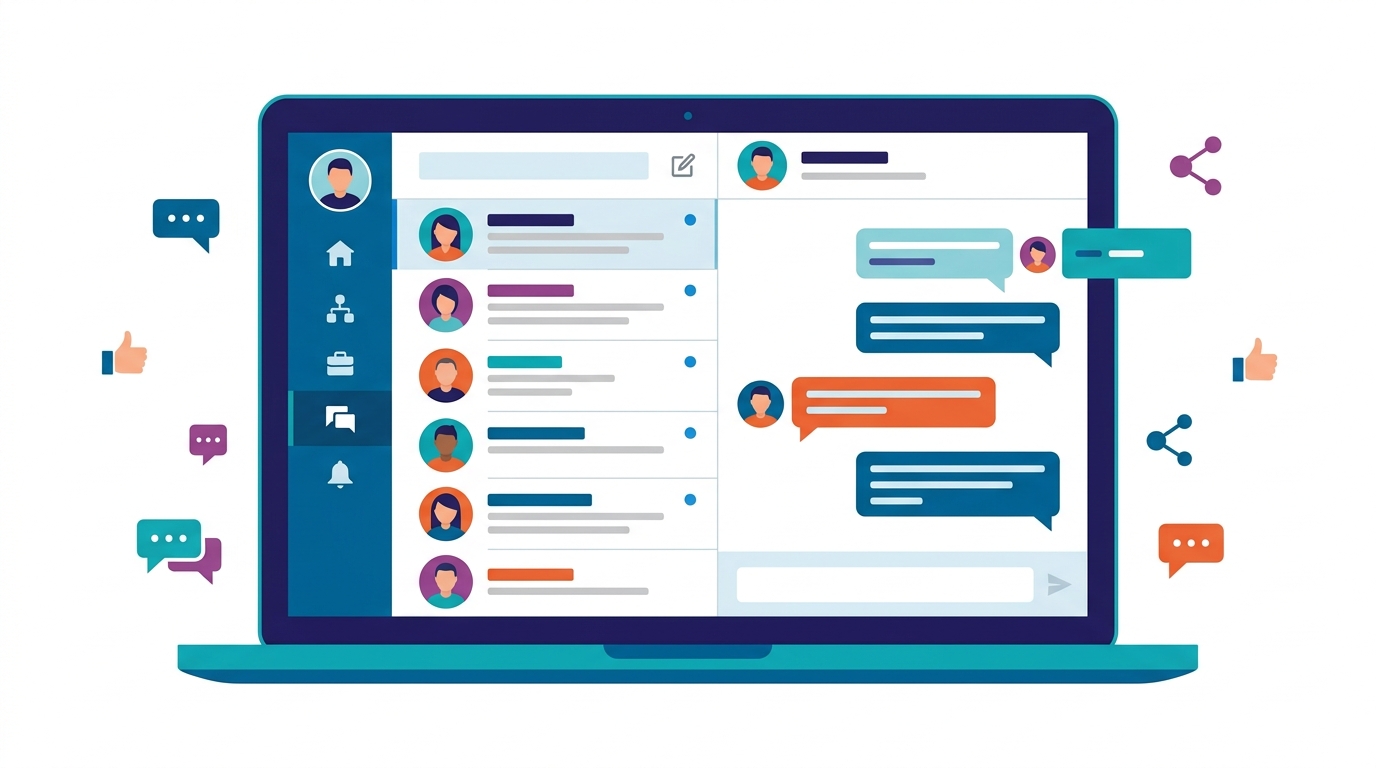
LinkedIn isn’t just another social media channel in 2026. It's the core hub for decision-makers, trendsetters, and deal-makers across SaaS, tech, and professional services. With more than 900 million users, this is where your next investor, client, or key hire already hangs out. Ignore it and you might as well be networking in a vacuum.
Why LinkedIn Dominates B2B Networking in 2026
LinkedIn now generates a staggering 80% of all B2B leads—no, that’s not a typo. Research shows four out of five B2B leads come directly from LinkedIn activity. If you want to fill a sales pipeline or forge partnerships, this is the one place your networking ROI is quantifiable and massive.
It’s not just the scale. The magic lies in context. Everyone on LinkedIn shows up as their professional self—meaning every like, comment, or DM is tied to real titles, real companies, and serious intent. You’re not mingling with anonymous avatars or semi-interested social browsers. The average LinkedIn user is looking for value, insight, and relevant connection—useful if you want your outreach to actually matter.
Real-World Impact: From Founder to Real Results
Abstract stats are one thing, but what does winning at LinkedIn networking actually look like for a SaaS founder or content marketer?
Take Riya, a SaaS founder who started 2024 with a modest user base and very little inbound interest. By late 2025, through a deliberate LinkedIn networking push, Riya had doubled her client base. The secret? No spray-and-pray cold pitches. Instead, she prioritized:
- Thoughtful comments on posts by ideal clients (often before ever sending a connection request)
- Smart DMs—brief, relevant, and never just a pitch (adhering to good approaches like message warm connections, stay brief, never ask for too much)
- Regular sharing of insights that made her visible and valuable in her niche
Within months, her connection requests got accepted by the right people. More importantly, those connections led directly to demos, referrals, and signed deals.
Here’s the wild part: in 2026, it’s never about how many people you add, but about how meaningfully you engage. One well-nurtured LinkedIn relationship is worth fifty lukewarm connections.
What’s Changed in 2026?
Algorithms don’t reward passivity. Content from people you engage with most rises to the top. If you’re just watching from the sidelines, you’re invisible. Only those who actually participate—who show up, comment thoughtfully, and share expertise—see compounding returns.
And with smarter analytics built in, you're not guessing if your networking works. You see who's interacting, who’s lurking, and which content generates real replies.
Action Step: Audit, Then Aim High
Don’t start networking blindly. Take five minutes now to audit your LinkedIn presence:
- Is your profile headline specific about who you help and what you offer?
- Does your About section speak to your target audience’s pain points?
- Are you consistently (at least 2–3 times per week) engaging with other people’s content—not just posting your own? If you want to improve this, check out effective posting time strategies for LinkedIn to maximize your visibility.
Set a networking goal for this quarter, whether it’s booking 10 intro calls, landing 5 warm referrals, or collaborating with an industry peer. And track it. You’ll be shocked how quickly those numbers add up once you’re intentional.
Bottom line: In 2026, if your LinkedIn networking feels like an afterthought, you’re handing opportunity to your competitors. Make it a core growth channel—and watch what happens.
How to Craft the Perfect LinkedIn Profile for Networking

Picture this: A founder discovers a significant partnership is forming in their niche, but nobody in the key circle even remembers their name. Why? Their LinkedIn profile blends into a sea of faceless, generic resumes—another lost opportunity. Fast forward to 2026, and the digital front door matters more than any handshake. The LinkedIn profile is now the first, and sometimes only, impression you get.
If your LinkedIn presence isn't dialed in, you may as well be invisible. And the stakes have never been higher. According to a 2025 CareerBuilder survey, a whopping 89% of recruiters use LinkedIn as their primary sourcing platform. If you want to attract high-caliber opportunities—or even just start real conversations—you need to stand out at a glance.
Why Your LinkedIn Profile Must Work Overtime Now
The era of “just having a LinkedIn” is dead. Remote-first hiring means the world's top SaaS founders, content marketers, and ambitious professionals are being sized up before anyone sends a single message. You're not just up against colleagues in your city—you're competing with experts everywhere. The right connections, speaking invites, and even investors won’t slide into your DMs if your profile says, “Maybe’s good enough.”
Profiles with professional headshots get viewed 14 times more. Sounds trivial until you remember people forget names, not faces. If you’re still hiding behind that pixelated conference selfie, expect to be skipped—again and again.
Headlines: Your First, Unfiltered Pitch
Headlines are digital billboards. Most profiles stick with the default “Title at Company”—huge mistake. The standout profiles? They state an outcome or niche straight away. Here’s why it matters:
Generic headlines like “Marketing Specialist” simply get lost. Stack that against:
“SaaS Marketer | Driving 200% YoY Growth with Data-Backed Campaigns”
The specific claim hooks exactly the people you want to meet.
Here’s the kicker: Profiles with targeted, outcome-based headlines see up to 3x higher profile engagement compared to generic ones, based on recent analyses pulled from high-performing growth communities on LinkedIn [source].
The Importance of Targeted, Industry-Relevant Headlines
A tailored headline does three things:
- Makes you instantly memorable
- Signals your value to the right audience
- Packs your profile with keywords that boost search visibility
If you're still using your job title, you’re driving with the parking brake on.
Action Step: Look at the profiles dominating your industry or niche. You'll notice the best aren’t the most senior. They’re the ones speaking directly to a pain point or innovation in their space. Update your headline to reflect not just what you do, but how you change the game, using keywords your ideal network would actually search for. For more tips on profile improvements, consider these top LinkedIn profile optimization recommendations.
Why a Keyword-Rich Summary Pulls Your Whole Profile Together
Think of your summary as the “why connect?” elevator pitch. The ideal summary works like a magnet:
- It’s short, punchy, and highlights what problems you solve.
- Strategic keywords woven in—not spammed—help you show up when founders, clients, or recruiters go hunting.
For example, a SaaS marketer focused on early-stage startups should mention “Series A growth,” “product-led content,” and “customer acquisition.” These signal intent without looking desperate. Profiles loaded with industry lingo (in an authentic way) get surfaced in more search results and receive 36% more outreach, according to recent feedback from top LinkedIn trainers [source].
What a Winning LinkedIn Profile Looks Like in 2026
The best profiles all nail a few key moves:
- Clear, professional headshot
- Headline that’s outcome- and industry-focused
- Concise summary packed with relevant keywords
- Proof of expertise in the form of quantifiable achievements or recent projects
No more hoping the right people will “just find you.” Networking in 2026 means engineering your own luck with every detail on your LinkedIn profile. The opportunities go to the founders and marketers who treat LinkedIn like it actually matters—because it does.
What Are the Best Strategies for Engaging on LinkedIn?
Strategic engagement on LinkedIn isn’t optional if you want to grow your network in 2026—it’s required. Just dropping a like here and there isn't moving the needle anymore. Engagement on posts increases visibility by 30%, according to LinkedIn analytics. If your posts or comments trigger more conversation, you’ll see your profile, and by extension your business, land in front of exponentially more eyeballs.
Here’s the hard truth: Mindless engagement is a waste of everyone’s time. Thoughtful commenting, on the other hand, can establish you as a go-to thought leader in your niche.
How do you actually start engaging more effectively on LinkedIn?
The best engagement strategies aren’t about sheer volume—they’re about visibility, relevance, and real conversation.
“Before sending a message, like and comment on their posts. Start a real conversation in public. That’s how you get noticed.” — linkedin.com
Let’s put this into practice. Here’s what actually works in 2026:
- Comment thoughtfully on 3-5 industry-related posts each week. Don’t parrot what’s already there. Add your take, a quick stat, or a compelling counterpoint.
- Ask questions or tag others in comments to spark more discussion and multiply the post’s lifespan (and your own exposure).
- Share posts with your own insights, not just a repost. Explain why the take matters for your network—this signals genuine expertise.
- Direct message strategically. If you see a great post, send the author a DM with your perspective or a relevant add-on. Skip the spam. Nobody has time in 2026 for “let’s connect!” with zero value.
- Block 20 minutes weekly to engage purposefully. Consistency outplays sporadic sprints every single time.
Case Study: How a Content Marketer Hit 50% Higher Engagement
Here’s what happens when you turn LinkedIn engagement into a deliberate system. A B2B content marketer in SaaS made a simple commitment in Q1 2026: comment strategically every weekday on five targeted posts from leaders in their industry. No fluff, no “great post!” nonsense—real value in every reply.
The payoff? Over three months, their post reach rose 50%. Inbound connection requests started landing daily, and several new partnership leads came directly from conversations started in those comment threads. The visibility was unmistakable—engage intentionally, and people remember your name.
Comparing Main LinkedIn Engagement Strategies
Not all engagement is created equal. Here’s a breakdown of how the most popular methods stack up for building stronger connections:
| Strategy | Strengths | Weaknesses | Best For |
|---|---|---|---|
| Commenting | Visibility; builds thought leadership; sparks discussion | Time-intensive if genuine; easy to seem inauthentic if rushed | Thought leadership; inbound leads |
| Sharing | Quick way to show relevance; easy; gets your profile out there | Low impact if done without original insight; generic shares get ignored | Building topical authority edges |
| Direct Messaging | Personal; builds one-on-one connections; cultivates deeper relationships | Can be seen as intrusive; ignored if generic | Relationship-building and nurturing |
Key takeaway: Commenting reigns supreme for visibility and reputation, but sharing and direct messaging drive different kinds of connections. Use all three, but lean on commenting if you want to be seen as an expert.
According to top networking coaches, your real advantage in 2026 is being seen as a conversationalist, not a broadcaster. Link your activity to real topics in your industry, and you’ll stand out from the endless self-promoters drowning in the feed. That’s how you build a LinkedIn network that actually delivers results.
For deeper insights on turning LinkedIn engagement into tangible leads, explore strategies on generating leads effectively.
How to Use LinkedIn Groups to Expand Your Network
Why do so many LinkedIn connection requests land in digital purgatory? Simple. Sending cold invites without context or credibility is a guaranteed way to be ignored. Most people want real conversations and valuable interactions—not a generic “let’s connect!” from a stranger.
Here’s the reality: If you’re relying only on 1:1 cold outreach, you’re missing massive leverage. LinkedIn Groups are where smart founders, consultants, and marketers build meaningful industry relationships—and create warm inroads to decision-makers.
What Are LinkedIn Groups & Why Should You Care?
LinkedIn Groups are invite-only forums centered around specific industries, niches, or professional topics. They’re digital rooms filled with your peers and potential clients talking about the exact problems your business solves.
You're not shouting in a void. You’re inside highly focused communities where real conversations actually happen. And that’s a game-changer for network-building.
A 2026 LinkedIn study found that members who participate in groups score 4x more profile views than those who don’t—visibility that leads directly to more opportunities and connections [source].
Case in point: A professional services consultant reported landing three new clients in Q1 2026, all sourced from value-driven conversations inside tightly aligned industry groups. She never pitched. She just showed up with thoughtful insights, answered questions, and let trust do the heavy lifting.
How Does Group Participation Actually Move the Needle?
Reality check: Just joining a few groups won’t do anything if you’re a ghost. The magic only happens when you participate—offering answers, sharing industry news, or sparking discussions.
Active contributors get noticed, and not just by peers. Prospects, recruiters, and even competitors watch for people who stand out. Starting in the comments section is smarter (and warmer) than jumping straight into DMs. In fact, users who comment thoughtfully see a 45% increase in accepted connection requests—because you’re no longer a stranger, you’re a contributor [source].
How to Use LinkedIn Groups for Real Results
Every founder or marketer in SaaS and pro services should treat LinkedIn Groups as non-optional. Here’s a playbook that actually works:
- Join 3-5 highly relevant groups. Skip generic mega-groups. Pick communities buzzing with your target audience and active moderators.
- Spend 10–15 minutes, three times a week, commenting or starting discussions. Don’t post links to your website. Share stories, answer industry questions, or highlight resources you’ve actually used.
- Follow up with direct messages only after genuine engagement. Mention the specific discussion you interacted on. Keep the first message to 2–3 sentences—never pitch in the opener.
- Track which discussions drive profile visits and responses. Double down on the topics and groups where you see the most traction.
- Make giving value your competitive edge. The people others remember (and refer to their networks) aren't the self-promoters—they’re the ones lifting up the conversation and answering real questions.
Example: Turning Group Engagement Into Actual Clients
Suppose you’re a B2B consultant specializing in financial process automation. Instead of spamming CFOs cold, you join a mid-size finance tech group on LinkedIn. A member posts about struggles closing monthly books efficiently. You hop in with a specific workflow you’ve seen work, then share a checklist (no sales pitch—just free value). Others chime in, you answer questions in the thread, and later that week two members visit your profile and start a conversation. One becomes a client a month later—all because you showed up where the real pain points get discussed.
What’s the Bottom Line?
Passive lurking is a waste of time. The only people who actually expand their LinkedIn networks through groups are those who participate weekly and contribute real value. Show up, get noticed, and you’ll watch your connections—and your opportunities—multiply in 2026.
LinkedIn Networking Tools: Which Ones Should You Use?
Every founder chasing deals or marketer trying to reach decision-makers has a LinkedIn networking story. Take this one: A SaaS entrepreneur zeroed in on the right CTO in a crowded vertical, started a conversation using insights from LinkedIn Sales Navigator, and landed a six-figure contract. That wouldn’t have happened with just the free LinkedIn account and a little “spray and pray” networking.
Here’s the bottom line. If you’re still relying on the basic LinkedIn search bar and hoping to surface serious leads or collaboration opportunities, you’re leaving the best connections on the table.
What are the best LinkedIn networking tools in 2026?
For anyone pushing to build real relationships and accelerate outreach, three names surface again and again: LinkedIn Sales Navigator, LinkedIn Premium, and trusty-but-limited Free LinkedIn. Toss in tools like Hootsuite for scheduling (especially if posting consistently is a headache), and you’ve got the toolkit most high-performers swear by.
But not all “upgrades” are created equal. Here’s how the major LinkedIn networking options stack up.
Tool Comparison: Sales Navigator vs. Premium vs. Free LinkedIn
| Feature | Free LinkedIn | LinkedIn Premium | Sales Navigator |
|---|---|---|---|
| Advanced Search Filters | Limited | Good | Best-in-class |
| See Expanded 3rd Degree Connections | No | Partial | Yes |
| InMail Messages (monthly) | None | 5-15 | 20-50+ |
| Saved Leads & Accounts | No | No | Fully Supported |
| Custom Lists & Notes | No | No | Yes |
| Lead Recommendations | No | Basic | AI-powered, Robust |
| CRM Integration | No | No | Yes |
| Monthly Price (2026, USD) | Free | $39.99 | $79.99+ |
Key takeaway: If you want to consistently find and track decision-makers, nothing beats Sales Navigator. For general networking boosts, Premium is solid, but if you’re serious about deal flow or recruiting, Navigator is the real step-change.
Is LinkedIn Sales Navigator really worth it?
Absolutely—if your networking game isn’t just about clicking “Connect.”
LinkedIn Sales Navigator is a separate product, not merely an upgrade. It blows open the gates to advanced search, letting you filter by company size, seniority level, recently changed jobs, and dozens of hidden levers the free version barely hints at. Need to spot every CMO in AI startups in Berlin who posted in the past week? Navigator gives you exactly that short list, no more endless scrolling.
Here's a real scenario: A technology founder used Sales Navigator to segment ideal customers by funding stage and department headcount. Within a week, they pinpointed a short list of 48 potential buyers—far more targeted than generic company lists. After a month of strategic outreach (using the integrated lead tracking), they had 12 back-and-forths and converted two into demos. That’s precision networking at work.
How do other tools fit into the equation?
Hootsuite and similar social schedulers can supercharge your visibility. Let’s face it: no one with real responsibilities has time to post at 9:05 AM every Tuesday. Scheduling content keeps you top-of-mind—so when you finally DM that COO, they’ve already seen you sharing actionable insights every week.
LinkedIn Premium is better than free only if you’re messaging new contacts often and want to see more profile views. But without the lead lists or CRM sync Navigator brings, most active networkers outgrow it fast.
LinkedIn’s own research found that users leveraging advanced tools (think Navigator + schedulers) saw up to 2.5x more connection requests accepted than those using the basic platform alone [source].
One last point: tools like LinkPilot dig up even more competitive intelligence and engagement analytics, making it easier to spot what your competitors are doing, which profiles are rising fast, and where the next wave of conversations is happening.
The right tool changes everything. Don’t settle for the default LinkedIn experience—start using the platforms serious networkers rely on, and watch your opportunities multiply.
The Future of LinkedIn Networking: Trends to Watch
You’re staring at a LinkedIn inbox that’s busier—and smarter—than ever. The days of generic cold connects are long gone. In 2026, AI-powered platforms, bold video content, and tailored outreach campaigns set the pace. Here’s what’s changing—and what smart founders, marketers, and execs need to watch as LinkedIn networking accelerates into the future.
Gartner projects that 60% of professionals will rely on at least one LinkedIn automation or networking tool by year-end 2026. Ignore this trend, and you’re basically networking in analog while everyone else has moved on to digital superpowers.
Which LinkedIn Networking Tools Are Leading in 2026?
Here’s a side-by-side look at the top contenders, breaking down where each one delivers:
| Tool | AI-Powered Analytics | Video Integration | Automated Outreach | Best For | Standout Feature |
|---|---|---|---|---|---|
| LinkPilot | Yes | No | Yes | Solo founders, growth teams | Competitor tracking & insights |
| Zopto | Yes | Limited | Yes | Agencies, enterprise-level campaigns | Multi-account management |
| Taplio | Yes | Yes | No | Content creators, solopreneurs | Integrated video post creator |
| MeetAlfred | Partial | No | Yes | Scheduling-heavy pros, recruiters | Bulk message scheduling |
| Shield | Advanced reporting | No | No | Brand builders, analytics-focused users | Deep post analytics |
Bottom line: If automated outreach is a must, Zopto and LinkPilot are way ahead. For creators, Taplio’s native video tools make content production frictionless. Want pure analytics? Shield’s the power move.
AI-Driven Analytics: From Guesswork to Personalization
AI isn’t just a flashy add-on now—it’s built into every serious LinkedIn networking strategy.
AI-driven analytics are reshaping how you connect. Instead of guessing who’ll respond, these tools surface recommendations by learning from your network, previous messages, and even trending hashtags. That means outreach feels more like a warm intro, less like a spam blast.
Here’s the game-changer: Targeted, data-backed lists for prospecting. You get network activity scores, ideal connection timing, and even “likely to engage” predictions layered into your workflow. If you’re only using LinkedIn’s basic notifications, you’re missing out on a level of personalization that’s statistically proven to lift acceptance and reply rates. According to LinkedIn Learning, strategic, AI-informed outreach outperforms blind connection requests by over 40%.
The Rise of LinkedIn Video: Don’t Be Camera-Shy
Video is exploding everywhere—including LinkedIn. Users are responding to video DMs, profile clips, and short-form video intros. In fact, LinkedIn’s own data shows that video posts generate 5x more engagement than text-only updates.
But this isn’t just about content—it’s about making connections feel personal. If you’re in SaaS sales or trying to impress a VC, a 30-second custom intro video will outshine a wall of text every single time.
One SaaS founder recently landed three partnership meetings in a week after switching her outreach from bland text to selfie-style video intros. Her pitch rate? Up 2x in a single quarter. Personal and memorable trumps abstract and anonymous every time.
So, Where Should You Experiment Next?
Here’s what forward-thinking pros are already doing:
- Record a 30-second video introduction for your profile or for outbound DMs. Watch connection and reply rates jump.
- Leverage AI analytics to identify who in your industry is most likely to respond. Tools like Zopto and Taplio surface the low-hanging fruit so you stop wasting time.
- Automate—but personalize. Don’t fall into the bulk-message trap. Use smart templates that adapt based on your audience’s LinkedIn activities and shared interests.
- Benchmark competitor activity with platforms like LinkPilot to spot which content formats are driving actual conversations, not just likes.
What’s Next for Your LinkedIn Networking?
AI-powered recommendations, video-first profiles, and competitor analytics aren’t just trends—they’re fast becoming the baseline for effective LinkedIn networking in 2026. The professionals squeezing the most value from LinkedIn are the ones moving now, not waiting for the next algorithm update.
Ready to stand out in a crowded feed? Experiment with video, personalize your outreach with the latest analytics tools, and build a network that grows itself. Static profiles and generic messages are going extinct—your future connections are one smart strategy away.
Your LinkedIn Leap Forward
Ready to make your mark in 2026? The most effective LinkedIn networking strategies all start with a single, intentional step: be proactive. Don’t just wait for connections to come your way—reach out, engage with thoughtful comments, and nurture relationships in groups relevant to your industry. A polished profile draws attention, but meaningful interaction builds trust and opportunity. Tools like LinkPilot can simplify your outreach, so you spend less time searching and more time connecting. Embrace new trends, keep your approach authentic, and you’ll see your professional network thrive. Your next big opportunity is just a conversation away—start building those connections today.