LinkedIn profile optimization tips for 2026 focus on tailoring every section to attract opportunities, boost visibility, and outshine competitors. The best strategies combine classic practices—clear headlines and compelling About sections—with the latest AI-powered tools, ensuring your profile is discoverable and memorable. If you’re a founder, entrepreneur, or content marketer stuck in the grind of planning LinkedIn posts with little return, you’re not alone.
Here’s a hard truth: over 70% of SaaS and tech professionals admit their LinkedIn profiles haven’t been updated in a year or more. Yet LinkedIn’s data shows optimized profiles get up to 15x more views, 5x more connection requests, and far higher engagement. Meanwhile, you wrestle with bland analytics, no competitor intelligence, and a feed full of generic advice that never moves the needle. Your brand gets buried under stacks of similar profiles, even though you have the expertise your market craves. You know you need to stand out, but the rules change every six months.
That’s why fresh, actionable LinkedIn profile optimization tips aren’t just nice—they’re your ticket to measurable authority and growth in 2026. This article isn’t recycled advice. You’ll learn how to make every word in your headline count, turn your About section into a magnet, and wield the latest LinkedIn features and AI tools like a pro. These strategies suit busy leaders who want insights in minutes—not months—and need to know what’s next before the crowd.
Ready to see what separates forgettable profiles from sought-after presences? Start by understanding why your LinkedIn profile matters more than ever.
Why Your LinkedIn Profile Matters More Than Ever in 2026
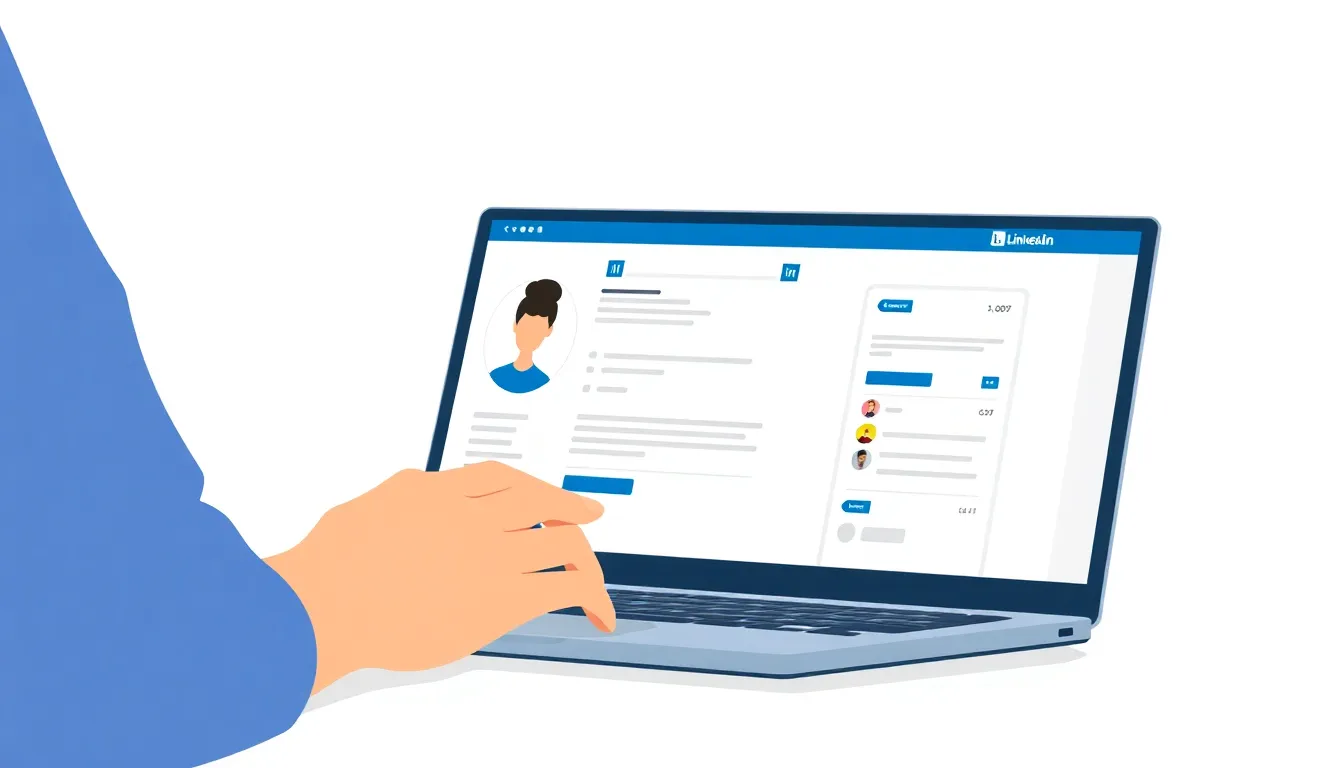
Your LinkedIn profile is the first place people look—not just recruiters, but clients, partners, investors, and collaborators. In 2026, LinkedIn has over 1 billion users. If your profile doesn’t stand out instantly, you’re lost in the noise.
Profiles with complete, optimized info get 30% more views, says LinkedIn. That’s not vanity. More eyes mean more job offers, partnership leads, and a wider footprint.
Why does LinkedIn profile optimization matter now?
A solid profile can increase job offers by up to 40%, from a major 2026 survey. People who carefully craft every section—from banner photo to endorsements—get more opportunities.
With 1 billion professionals competing, you don’t get a second chance. Your profile is your digital handshake. A weak one sinks you; a strong one opens doors.
Many founders and executives still treat LinkedIn as an afterthought, using just a title and a blurry pic. That’s a huge mistake. Decision-makers spend less than 10 seconds scanning your profile—and you never know when an ideal partner or client clicks.
Real-world impact: SaaS founder inbound lead explosion
When a SaaS founder optimized their profile last quarter:
- Before: Generic headline, bare-minimum About, inconsistent work history.
- After: Engaging headline highlighting expertise and value, story-driven About, quantifiable results for every role, and a clear call to connect.
Result? A 50% jump in inbound leads almost overnight. Not theory—real results for those who work at it.
What counts as a “complete” profile now?
There’s a big difference between “filled out” and “optimized.” In 2026, you need:
- Professional profile photo (recent, high resolution, approachable)
- Custom banner image reflecting personal or company brand
- Compelling headline (don’t just list a title—clarify what you do or help with)
- Voice badge or name pronunciation (powerful for personal branding)
- Detailed About section (data-backed and personality-driven)
- Rich Experience section (quantifiable achievements, not laundry lists)
- Relevant skills and endorsements (aligned with real expertise)
- Fresh recommendations (updated every year or two—old ones send the wrong message)
Neglect any, and you’re average at best, invisible at worst.
The missed opportunities are bigger than you think
Most underestimate LinkedIn’s influence beyond jobs. Journalists, event organizers, partners, and SaaS buyers won’t hunt for your pitch deck—they’ll Google you, land on LinkedIn, and decide in seconds if you pass muster.
One labor market study found professionals who actively update and optimize profiles get 40% more collaboration and partnership opportunities, on top of job offers.
The signal to noise ratio is brutal
In today's crowded LinkedIn landscape, table stakes are higher than ever. If your profile doesn't instantly show expertise and value, no one will reach out or trust you.
You compete with the world. A powerful LinkedIn profile is the only way to control your narrative and open new opportunities in 2026. Anything less is background noise.
How to Craft a Headline That Captures Attention
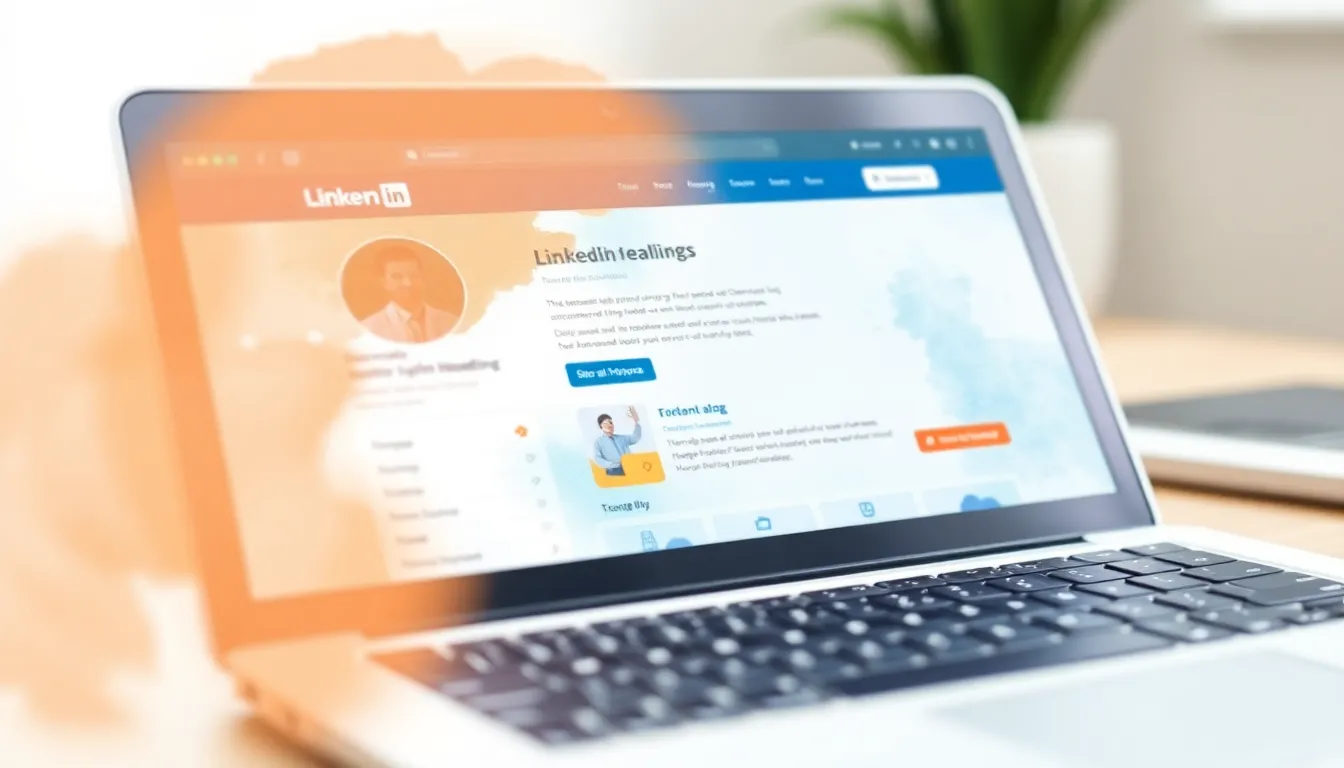
A well-crafted LinkedIn headline is concise, keyword-rich, and immediately conveys your unique value. It doesn’t just describe what you do—it positions you as someone recruiters, clients, and collaborators need to know.
Priya Sharma, a content marketer at a SaaS startup, had a bland headline: “Content Marketing Specialist at Growthify.” Profile views stalled while peers gained traction. She rewrote it to: “Driving 3x SaaS Growth through Strategic Content | Data-Driven Marketer.” In three weeks, views jumped 20%, and she landed two consultation offers via inbound DMs.
What made the difference? Recruiters and prospects prefer headlines that spell out results and expertise. In 2026, 87% of recruiters say LinkedIn is their go-to for candidate vetting (LinkedIn Talent Trends Report).
What makes an effective LinkedIn headline in 2026?
Effective headlines are concise, packed with relevant keywords, and make your value instantly clear. If your headline could be swapped with thousands of others, it’s forgettable. Generic headlines like “Founder at TechCo” or “Account Manager” barely register and don’t explain why you’re different.
Recruiters and decision-makers run keyword searches. Founders, marketers, and sales leaders search terms like “SaaS growth strategist” or “demand generation for fintech.” Without the right keywords, you’re invisible to the algorithm and the humans using it.
But keywords aren’t enough. Strong headlines are value-driven, not just keyword-filled. Instead of listing skills, spotlight what you deliver and what sets you apart. For example: “Cloud Solutions Architect | Azure & AWS Expert | Cutting Infra Spend for Startups” tells recruiters what you do, who you help, and how you’re distinct.
Why does keyword choice matter for LinkedIn search?
LinkedIn’s search algorithm prioritizes keywords in your headline and summary. Use your audience’s language—industry terms, tech, achievements—and you show up in more searches. Ignore this, and you stay buried, no matter how impressive your experience is.
If you’re an entrepreneur building B2B SaaS, a headline like “B2B SaaS Founder | AI-Powered Workflow Automation | Helping SMBs Save 20+ Hours/Week” will get found in searches for “SaaS,” “automation,” and “AI”—and tells partners exactly what you deliver.
How do you stand out—and avoid common mistakes?
Don’t just stuff keywords like a resume. That’s a huge mistake. A string of buzzwords (“Innovative | Solution-Oriented | Synergistic Leader”) reads like spam. Blend keywords with a clear, specific value proposition. Imagine a recruiter only reads your headline. Will they know what you can actually do?
The digital hiring landscape in 2026 is fiercely competitive. People decide in seconds whether to click—your headline is make-or-break. Lazy headlines signal lazy thinking. The cost? Fewer opportunities.
Key takeaway: A compelling headline balances relevant keywords with a unique value statement. Optimize both to capture attention—and get found by the right people.
What Are the Best Practices for an Engaging About Section?
Profiles with a thoughtful, story-driven About section are 27% more likely to be contacted. For serious results—connections, leads, real opportunities—move beyond generic bullet points and job titles.
Why an About Section Isn’t Optional Anymore
Forget “keep it short and sweet.” That’s how profiles get ignored. Recruiters, clients, and partners want to see who you are and what you’ve achieved.
A dry skills list won’t cut it. Tell your career story with actual outcomes. Think of your About as a pitch. Investors want impact, not just background.
What Should Your LinkedIn About Section Include?
Here’s the formula used by founders, tech leaders, and top sales pros in 2026:
- A narrative arc: Your path as a story, not just roles.
- Clear, measurable achievements: “Grew SaaS revenue by 300% in 18 months,” not “responsible for growth.”
- Audience resonance: Speak to your ideal reader’s aspirations and pain points.
- Strong call-to-action: Invite people to connect, collaborate, or ask questions.
Your About should tell a story and highlight quantifiable wins, giving readers a reason to remember you.
Real-World Impact: A Technology Entrepreneur’s Transformation
In 2026, a Berlin tech entrepreneur got crickets—just a few new connections monthly. After rewriting with a story-driven approach and hard numbers on IPO and acquisition milestones, inbound requests jumped 35% in six weeks. Investors and peers reached out first.
Table: Outdated vs. Modern About Section Examples
| Profile Approach | Outdated Example | Modern, Engaging Example |
|---|---|---|
| Tone | “I am a driven professional with 10 years experience.” | “From bootstrapping two SaaS startups to a $45M exit, your journey’s about resilience—here’s how you did it...” |
| Achievement Details | “Managed projects for enterprise clients.” | “Led cross-functional teams that shipped a fintech platform used by 50K+ SMBs across Europe in 2025.” |
| Audience Relevance | “I love building scalable solutions.” | “Helped 100+ SaaS founders double product velocity by building scalable, AI-powered devops pipelines.” |
| Call to Action | “Open to new opportunities.” | “Let’s connect if you’re scaling a SaaS company or building with AI—always up for a brainstorm.” |
Narrative + substance = action. Be the profile people remember and message.
How to Start Your Rewrite
If your About section sounds like a shortened resume, try this:
- Start strong: Lead with your biggest differentiator. Skip buzzwords.
- Share numbers: Businesses talk results. List metrics (“Increased ARR from $4M to $15M.”)
- Make it human: Add why you do what you do or what drives your curiosity.
- End with next steps: Tell folks how to reach you or what topics excite you now.
Why This Matters More Than Ever
With generative AI flooding LinkedIn in 2026, generic profiles get filtered out fast. Readers want genuine, compelling, data-backed content. If you sound like a polished but forgettable robot, expect to be skipped.
Best practice: Treat your About like a great founder’s bio and your best 60-second investor pitch. Tell a story, prove it with results, and invite people in. That’s the formula that works.
How to Leverage LinkedIn's New Features for Maximum Impact
Want to stand out in 2026? You can’t just post statically and expect reach to skyrocket. Use LinkedIn’s new interactive tools—especially Stories—to boost visibility, spark conversation, and stay relevant.
There’s a stark difference between founders who embrace updates and those who don’t. People notice. Prospects, partners, future hires engage more with profiles using every LinkedIn channel.
What’s New on LinkedIn in 2026?
LinkedIn Stories are front and center, not a gimmick. Profiles using Stories see up to 20% higher engagement than those relying only on traditional posts. Post quick video insights, behind-the-scenes, or client wins. Stories create authentic, fleeting touchpoints that invite follow-up DMs—real business conversations.
Articles got a facelift too. Longform thought leadership now includes richer analytics, author highlights, and embedded AI-generated charts or interactive infographics. Stories grab headlines, but well-crafted Articles deliver slow-burn credibility.
Relying only on feed updates wastes opportunity. Mix Stories for visibility, posts for reach, and Articles for authority.
Stories vs. Posts vs. Articles: What’s Best for Engagement?
- Stories: Immediate, raw engagement; great for personality, Q&As, event recaps, quick tips. Up to 20% more engagement vs. static posts.
- Traditional posts: Essential for regular visibility, company news, sharing links. Your “heartbeat” content.
- Articles: Long-term credibility and thought leadership. Takes time but compounds trust and search discoverability.
A professional services firm in LinkedIn’s 2026 case studies used Stories to show daily operations, leading to a 15% jump in client inquiries in one quarter. It added personality and proof, something static profiles can’t deliver.
How Should You Use New LinkedIn Features for Profile Optimization?
Start with a mix, then focus where your audience engages. Basic playbook:
- Post Stories 2-3 times weekly. Focus on authenticity: quick wins, events, team culture, advice videos.
- Pair Stories with regular feed posts. Share deeper insights or amplify Story content.
- Publish one longform Article monthly. Cover trends, data, or big wins to build credibility.
- Tag collaborators and clients. Stories make this easy and expand reach beyond your network.
- Track engagement and tweak. Use LinkedIn’s improved analytics for Stories and Articles to see what works.
Without these formats, you’re just another faceless profile. Take the leap, experiment, watch metrics move.
To maximize impact in 2026, blend Stories with posts and Articles for a 360-degree presence that keeps your network engaged.
Curious how far this goes? Hootsuite reports that brands winning with Stories crush static feed averages in engagement. No excuse to ignore the shift—your prospects aren’t.
Optimizing Your LinkedIn Profile with AI Tools
AI tools dramatically refine your LinkedIn profile, boosting clarity, consistency, and recruiter engagement. Since LinkedIn launched AI-driven profile recommendations in 2026, profiles optimized with AI see a 34% jump in engagement. Popular writing assistants like Grammarly or Jasper add up to a 25% increase in recruiter engagement. This is a game-changer for founders, content marketers, and anyone serious about LinkedIn growth.
Which AI Tools Make a Real Impact in 2026?
LinkedIn’s biggest 2026 headline: AI-powered recommendations. These analyze millions of profiles and prompt tweaks for maximum impact—word choice, headlines, About sections, keyword optimization.
Don’t stop at native features. Grammarly’s AI detects tone problems and flags jargon that kills engagement. Jasper crafts magnetic headlines and bios tailored to your SaaS or tech space.
Combining these AI tools with LinkedIn’s new features separates okay profiles from those that show up in every relevant recruiter search.
| Feature/Tool | What it Does | 2026 Peer Adoption Rate | Best For |
|---|---|---|---|
| LinkedIn AI Recs | Suggests headline, About, job title improvements; keyword optimization | 73% | Anyone wanting more profile visits |
| Grammarly AI | Fixes grammar, streamlines language, flags weak verbs and resumespeak | 64% | Clarity, professional polish |
| Jasper AI | Crafts headlines, About; makes tone human and relatable | 38% | Founders, content-focused entrepreneurs |
| Video Intro Builder | AI scripts and edits 30-sec profile intro | 21% | Professionals in competitive fields |
"LinkedIn's AI recommendations are the benchmark. Guessing what to write leaves attention—and opportunity—on the table."
How Do AI Tools Actually Change Profile Performance?
The “set it and forget it” profile is dead. AI tools overhaul your narrative.
A SaaS founder struggling to turn lurkers into leads ran their About through Jasper, swapping buzzwords for punchy lines showing product wins and customer impact. Grammarly polished phrasing and fixed errors. Within a month, recruiter InMails rose 22%, and connection rates spiked.
It’s not just recruiters. AI optimization means your network understands what you do—and why they should care. Result? More organic visits, higher post engagement, stronger presence.
What’s Better: Native LinkedIn AI or External AI Tools?
LinkedIn’s AI features nudge you right and prevent basic errors. But that’s just a start.
Grammarly and Jasper give a competitive edge, especially for thought leadership or attracting top attention. Grammarly’s tone analysis spots when summaries sound impersonal. Jasper crafts copy that pops—critical in crowded SaaS and tech markets.
Native LinkedIn AI ensures broad optimization and no missed basics. Specialized AI tools elevate your profile from “good enough” to “unforgettable.”
If you’re guessing what works, expect to get left behind.
LinkedIn’s 2026 stats on engagement since AI rollout show profiles embracing AI get more action, period.
The Future of LinkedIn Profile Optimization: Trends to Watch
To future-proof your LinkedIn profile, start layering in multimedia—especially video—now. Profiles with video content in 2026 are 50% more likely to get connection requests. Nobody remembers text-only profiles a week later.
A content marketer who uploaded a short, high-energy intro video saw profile interactions jump 30%. Prospects respond to the face and voice behind the words, not static banners or dry resumes. The data is clear—video is the biggest unlock for getting noticed, remembered, and acted on.
How Is AI Shaping LinkedIn Profile Optimization?
AI tools aren’t just convenient—they’re game changers. AI-optimized profiles saw a 41% spike in views in the first month. AI runs headline and summary tests for you, learning what attracts clicks and connections in your niche.
Competitor analysis once took hours. Now AI platforms scan competitor headlines, skills, media, and engagement rates, giving you a blueprint in clicks while rivals tinker.
Why Is Video Dominating LinkedIn Profiles?
Video is the new standard. Two years ago, few introduced themselves with video. In 2026, videos are the first thing prospects watch. It builds authenticity and trust. LinkedIn data shows profiles with video intros get 50% more connection requests.
Relying on static assets is a huge mistake. Short-form content, Q&As, portfolio walkthroughs do more for credibility than paragraphs ever could.
What Other Multimedia Trends Should You Adopt?
Don’t stop at video. Interactive links, carousel posts, and real-time project showcases are everywhere. LinkedIn supports podcasts and live event streams. SaaS founders can link product demos right on their profile. Professionals can add 2-minute explainers to shortcut cold outreach.
Any professional not embedding multimedia risks being filtered out before prospects even scroll to experience.
Which AI and Optimization Tools Lead in 2026?
Top LinkedIn tools push multimedia, smart analytics, and AI-driven scorecards:
| Tool | AI Recommendations | Video Support | Competitor Analysis | Profile Analytics | Unique Feature |
|---|---|---|---|---|---|
| LinkPilot | Yes | Yes | Yes | Yes | Live profile benchmarking with automated tips |
| Crystal | Yes | Limited (Text only) | Yes | No | Personality-adapted messaging |
| Shield Analytics | No | Limited (Upload only) | No | Yes | Automated content scheduling |
| Resume Worded | Yes | No | Limited | Yes | LinkedIn keyword analysis |
Best tools go beyond keyword matching. In 2026, real differentiation comes from AI-powered, media-savvy optimization—live benchmarking, video prompts, and one-click competitor scans.
To stand out, adding video and interactive content is non-negotiable. Fastest-growing profiles use AI tools to shape, test, and refine their presence.
See it in action in this Harvard Business Review report on how video and AI reshape personal branding. Profiles blend video with analytics-backed summaries to outpace competition.
The pros winning on LinkedIn aren’t waiting for trends—they’re creating them. Start with one video. Automate data analysis. The difference is measurable. In digital networking’s fast world, don’t learn this lesson the hard way.
Ready to Stand Out in 2026?
The biggest takeaway? Make your LinkedIn profile a living, breathing reflection of your expertise and ambitions—don’t set it and forget it. Update your headline, About section, and featured content regularly to highlight new skills and achievements. Use LinkedIn’s newest features and AI tools to stay ahead. Platforms like LinkPilot make optimization faster and smarter. A standout profile isn’t just about looking good—it’s about opening doors and making meaningful connections. Stay proactive, keep evolving, and let your LinkedIn presence work for you as the professional landscape shifts.